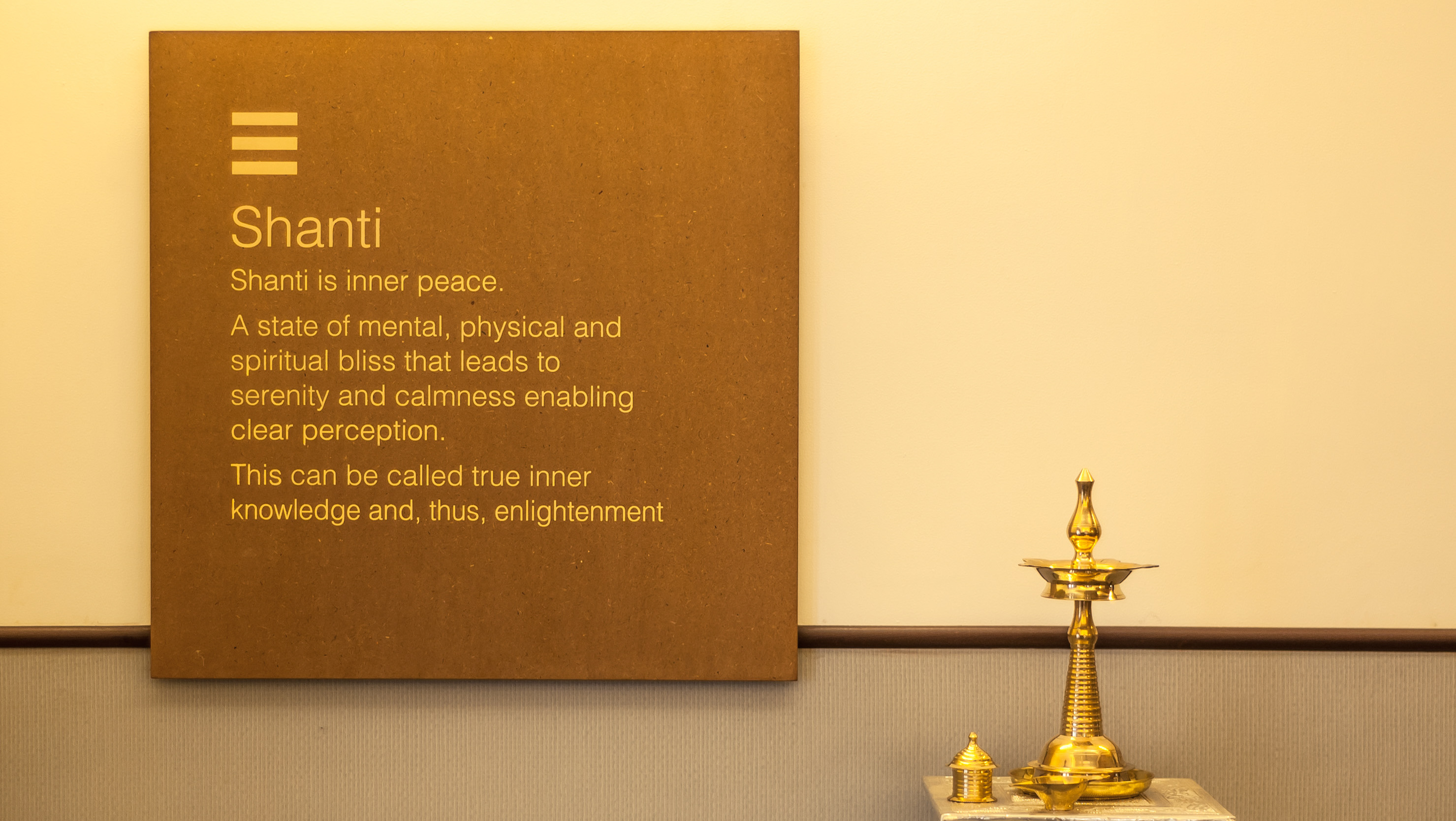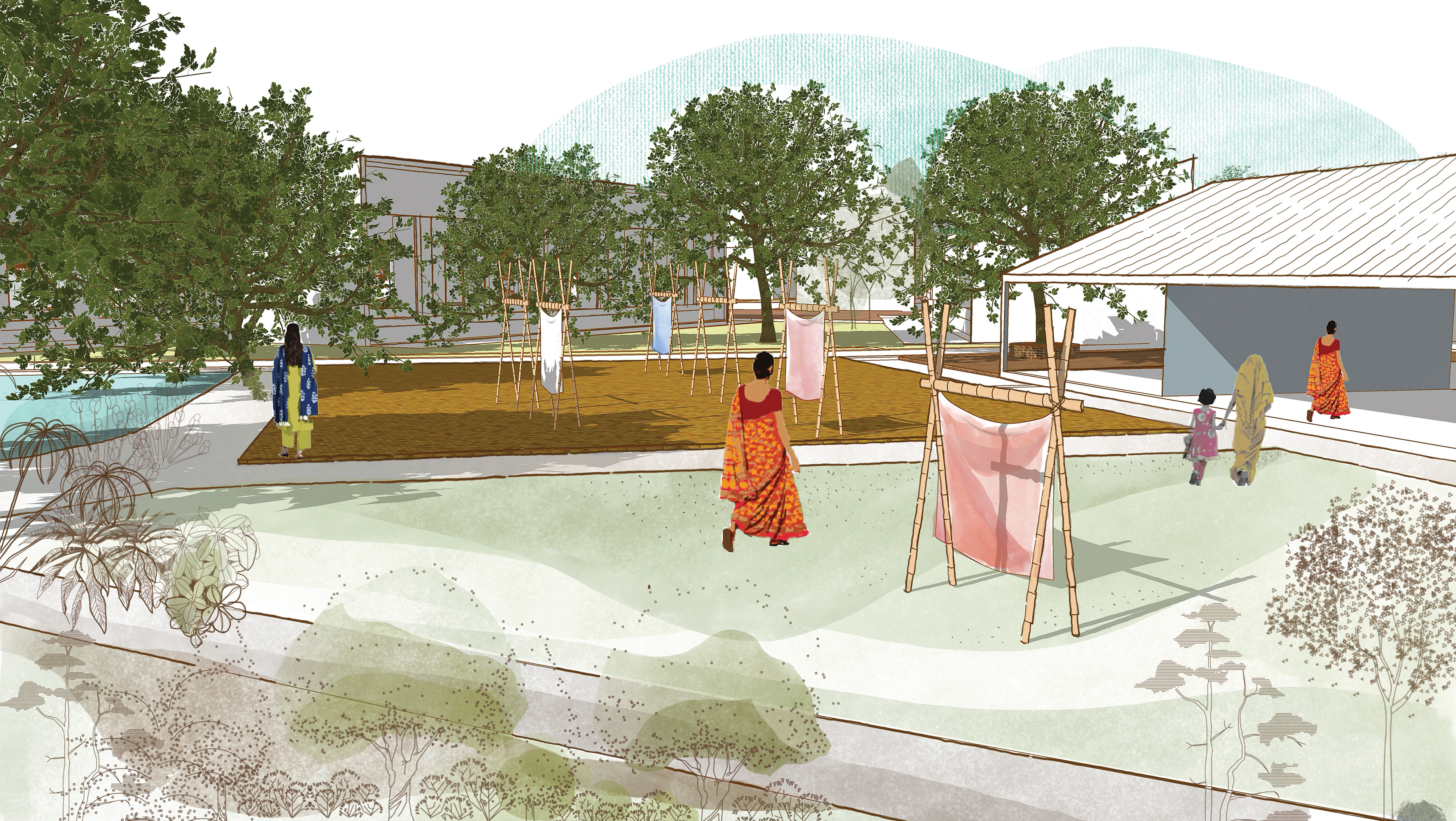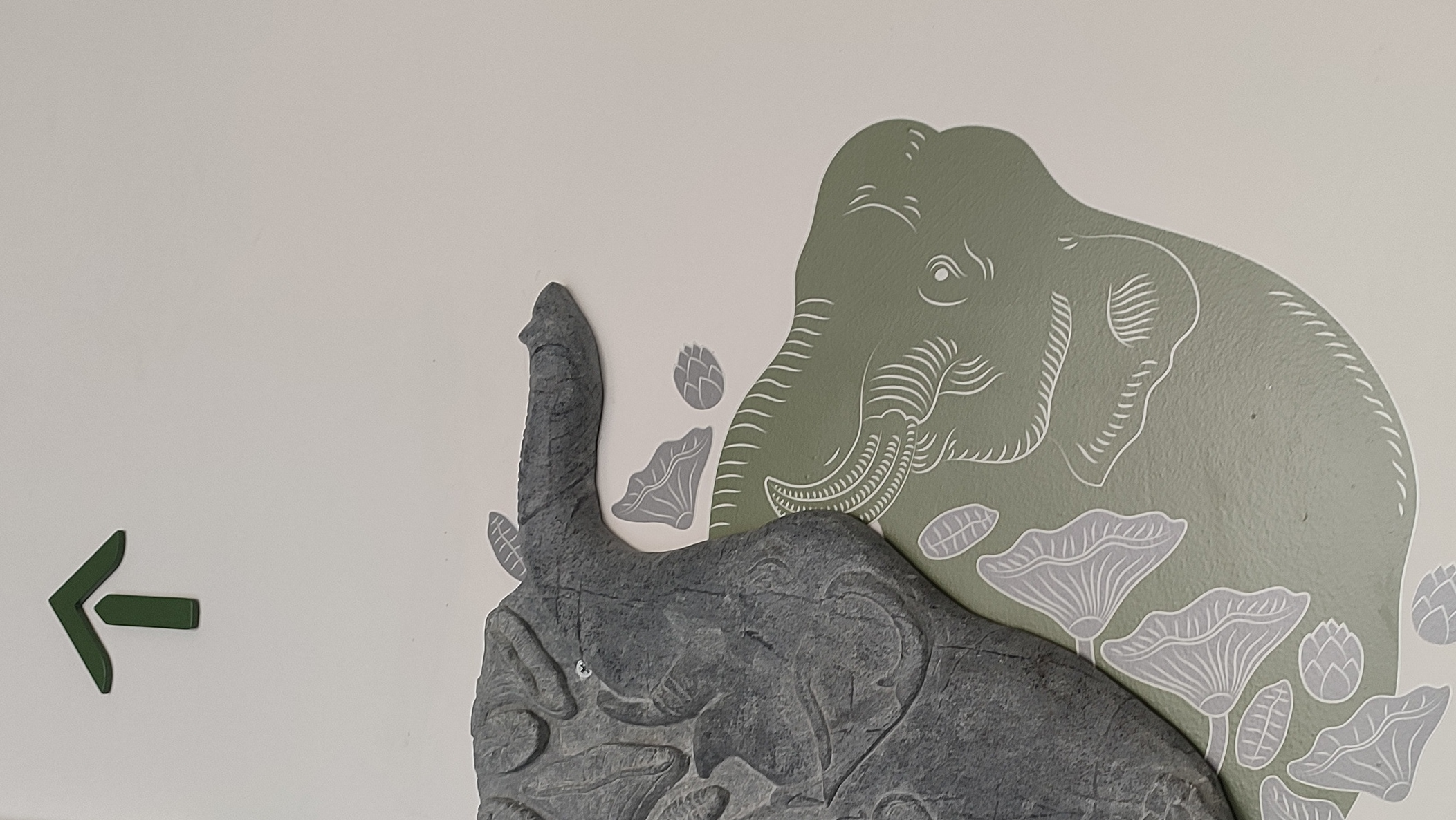
The retail store and experience center for Mauna Dhwani Foundation is designed as a living narrative of the tribal women of Odisha and their craft. The environment highlights the journey of these artisan women as they rediscover traditional techniques and transform them into modern lifestyle products.
The spatial design balances authenticity with warmth. Textures, colours, and material palettes draw from Odisha’s tribal heritage, while displays are arranged to feel open, tactile, and story‑driven. Each product category is presented alongside cues about its origins, the craft process, and the women who made it. The centre functions not only as a retail destination but also as a platform to showcase skill, resilience, and cultural continuity, allowing visitors to engage deeply with the craftsmanship and the mission behind it.

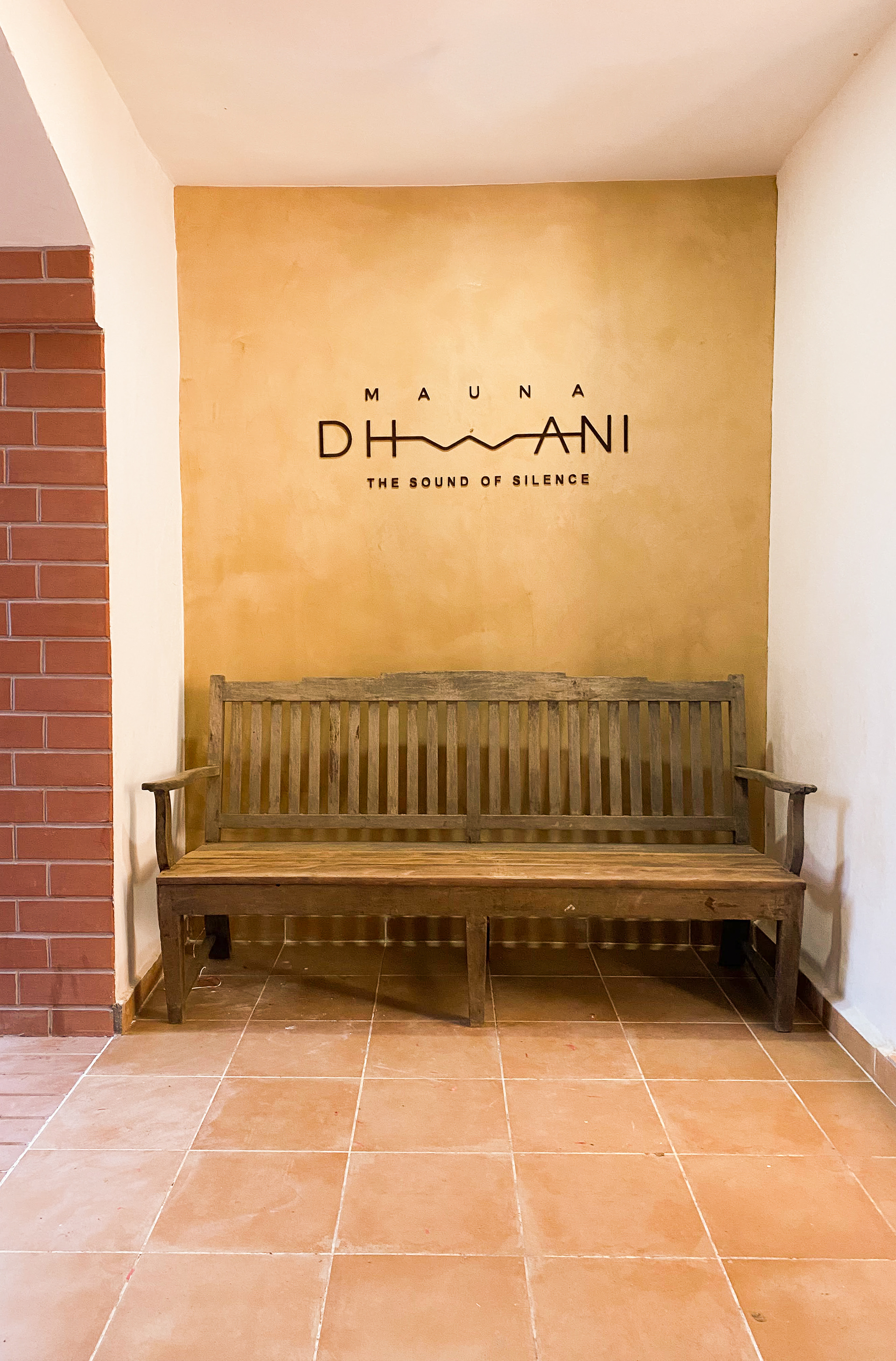
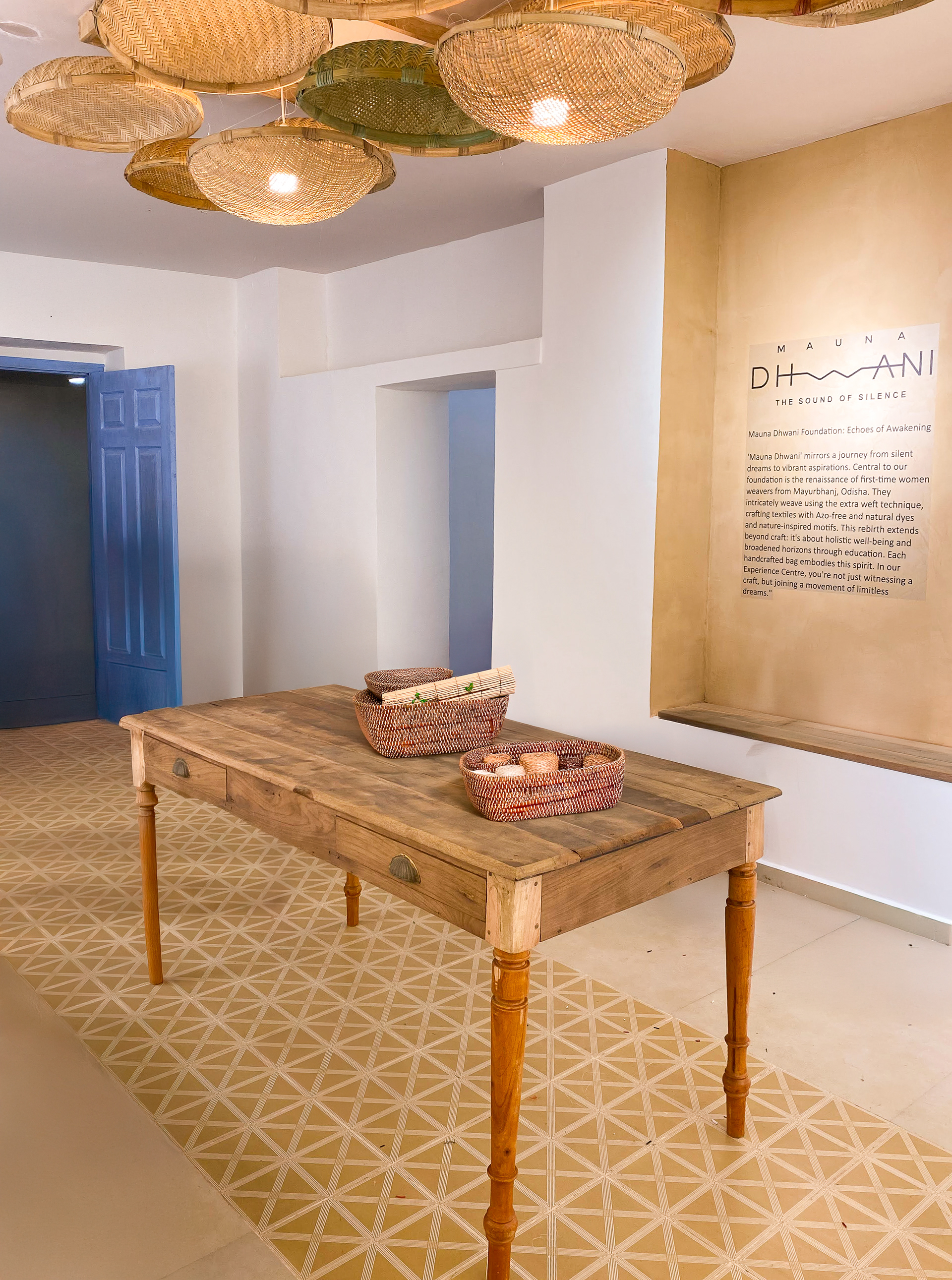
The design embraces natural materials and minimalism, grounding the environment in authenticity while keeping it warm and welcoming
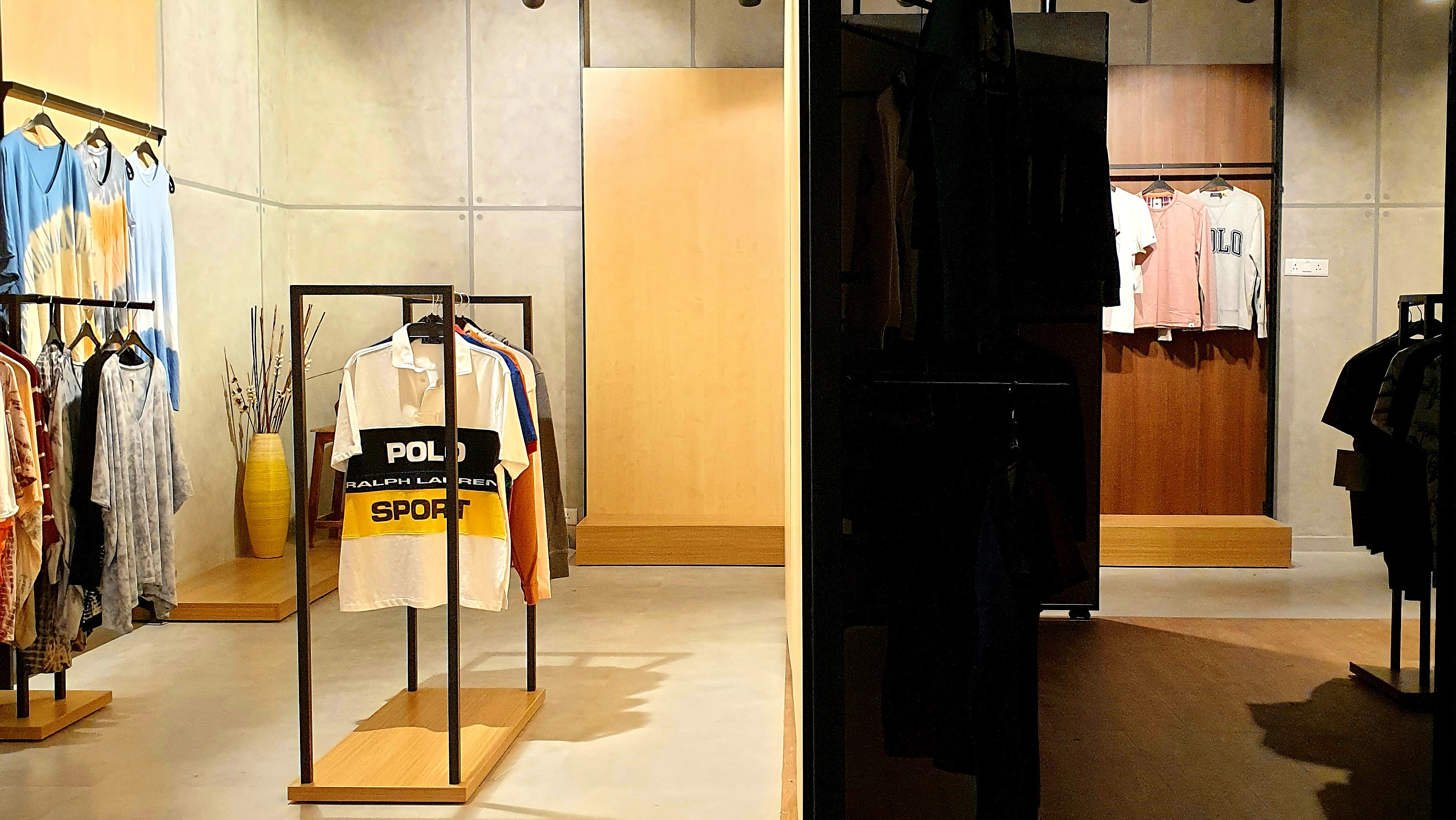
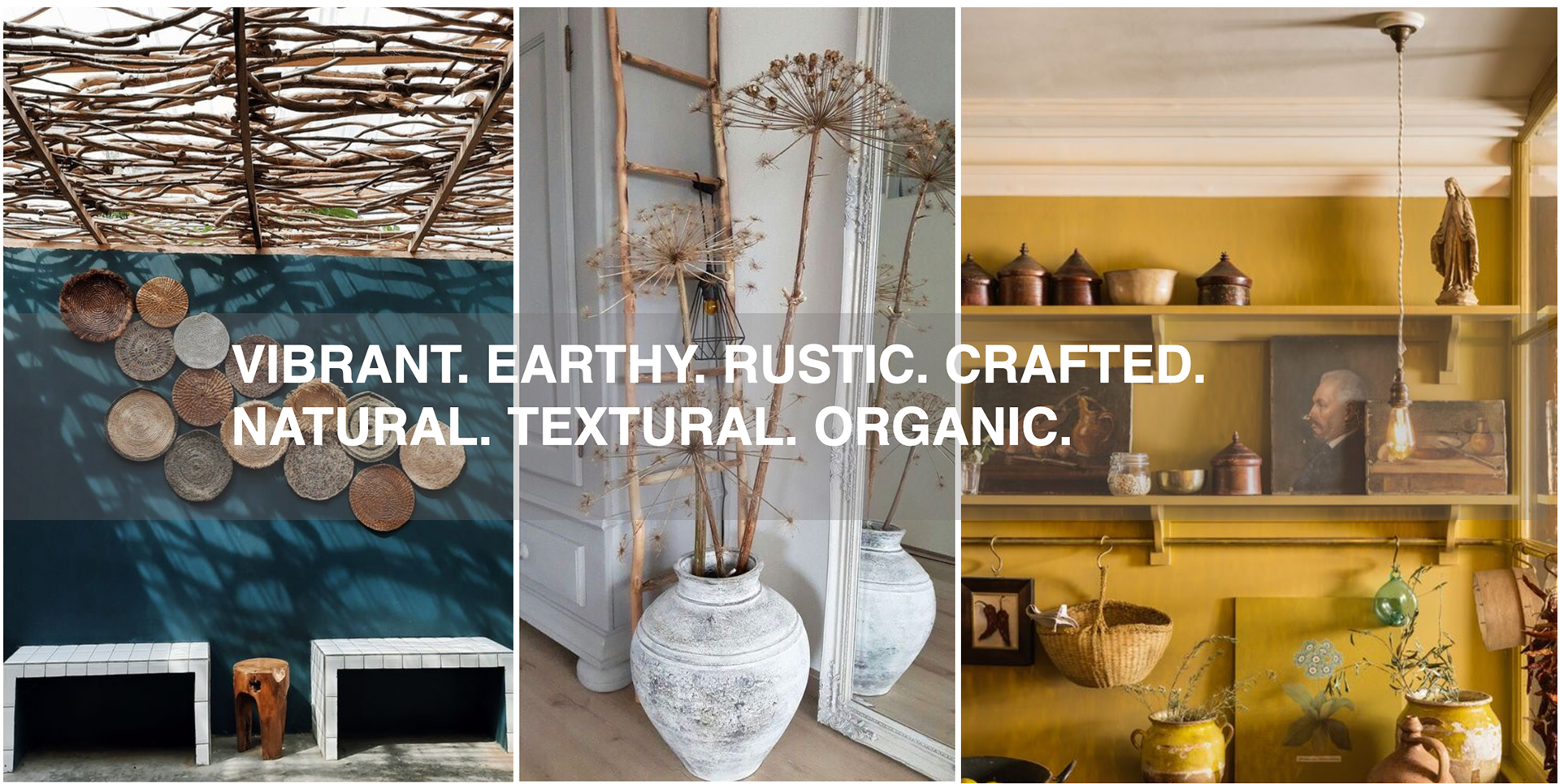
The look is earthy, rustic, and vibrant and celebrates craft and craftsmanship. The materials, colours and techniques used in the space draw on the craft's regions of origin, complementing the craft itself. The spatial treatment remains intentionally minimal and frugal, allowing the products and their vibrance, and the stories behind them to take centre stage.
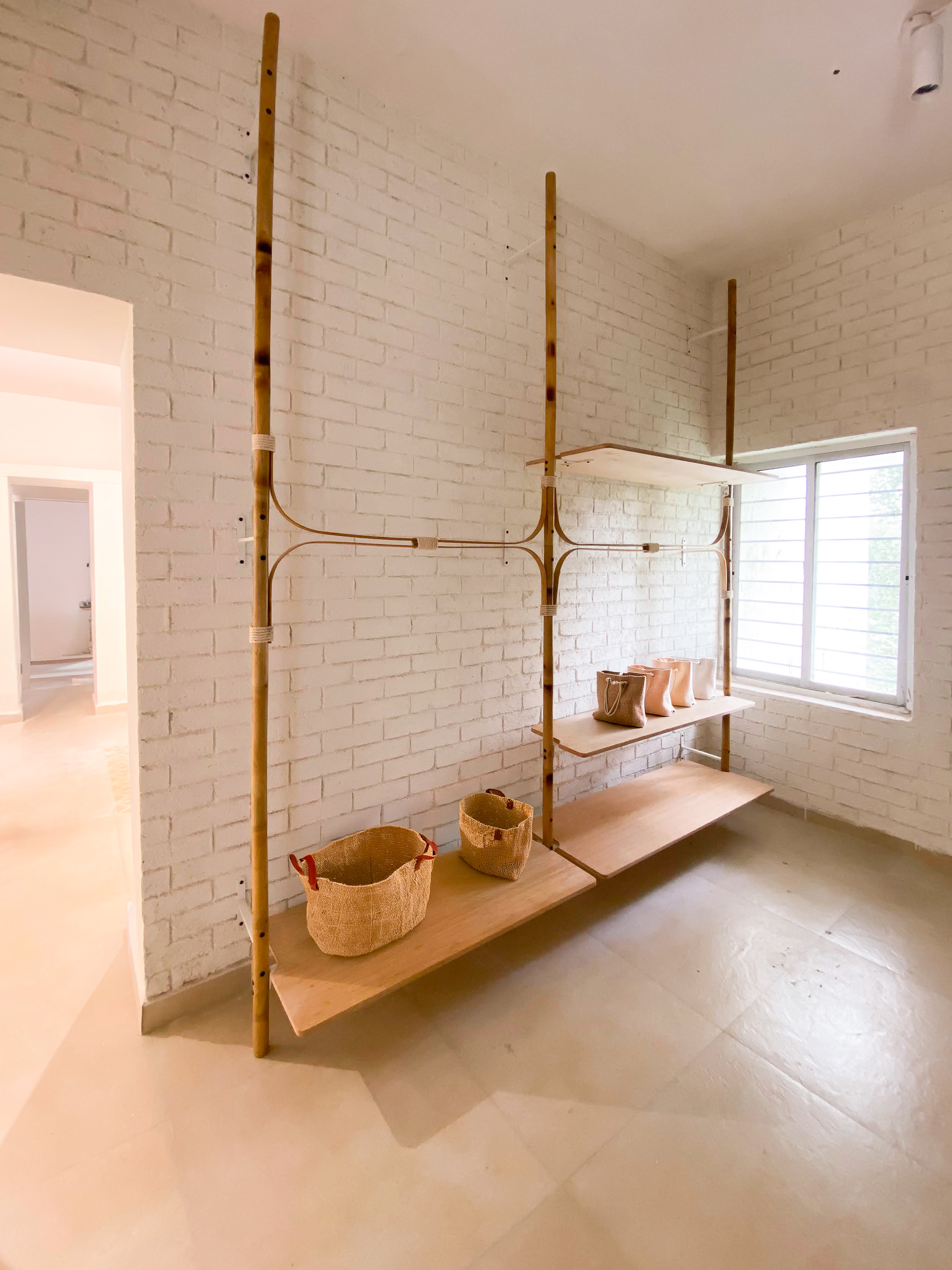
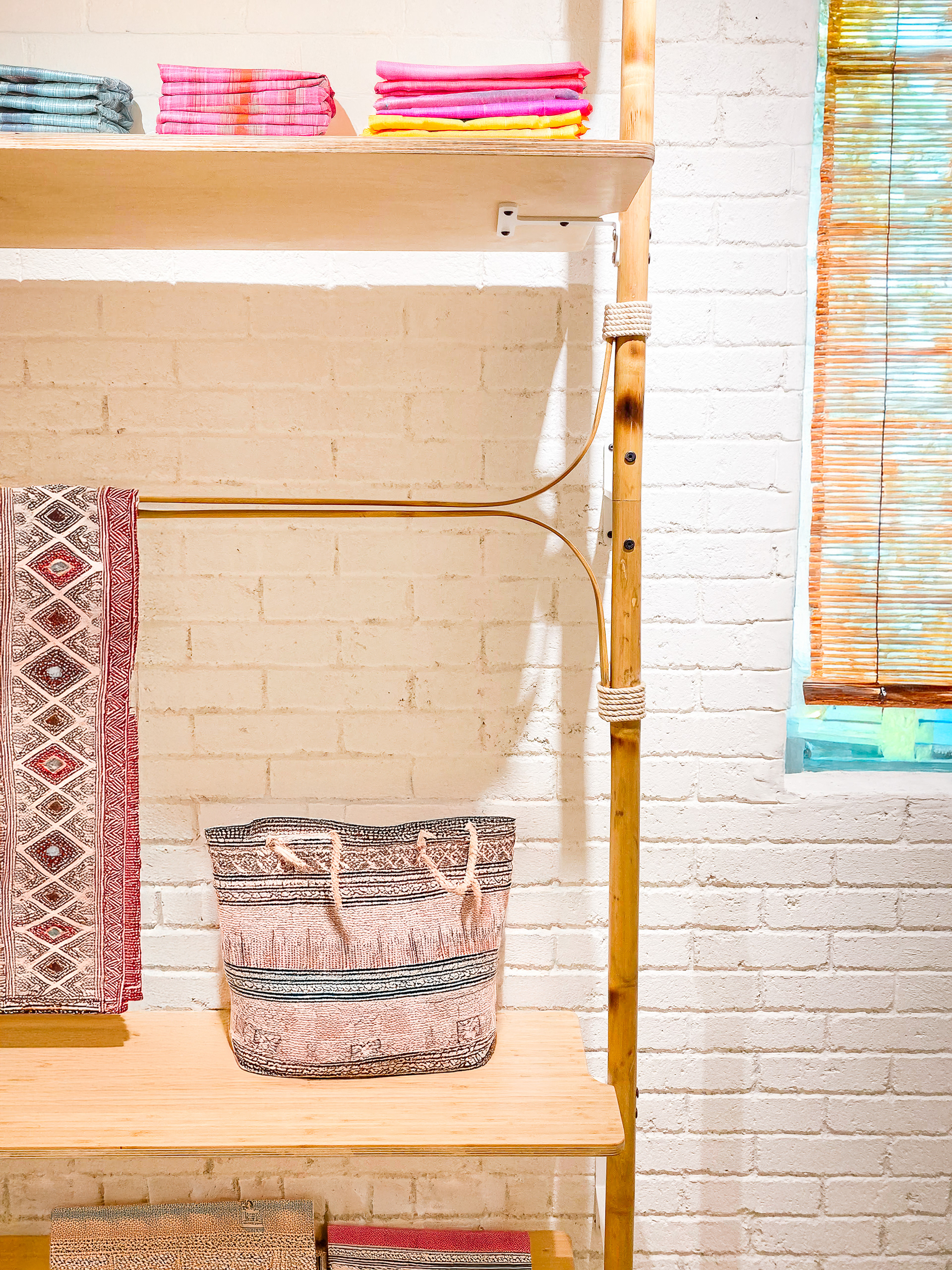
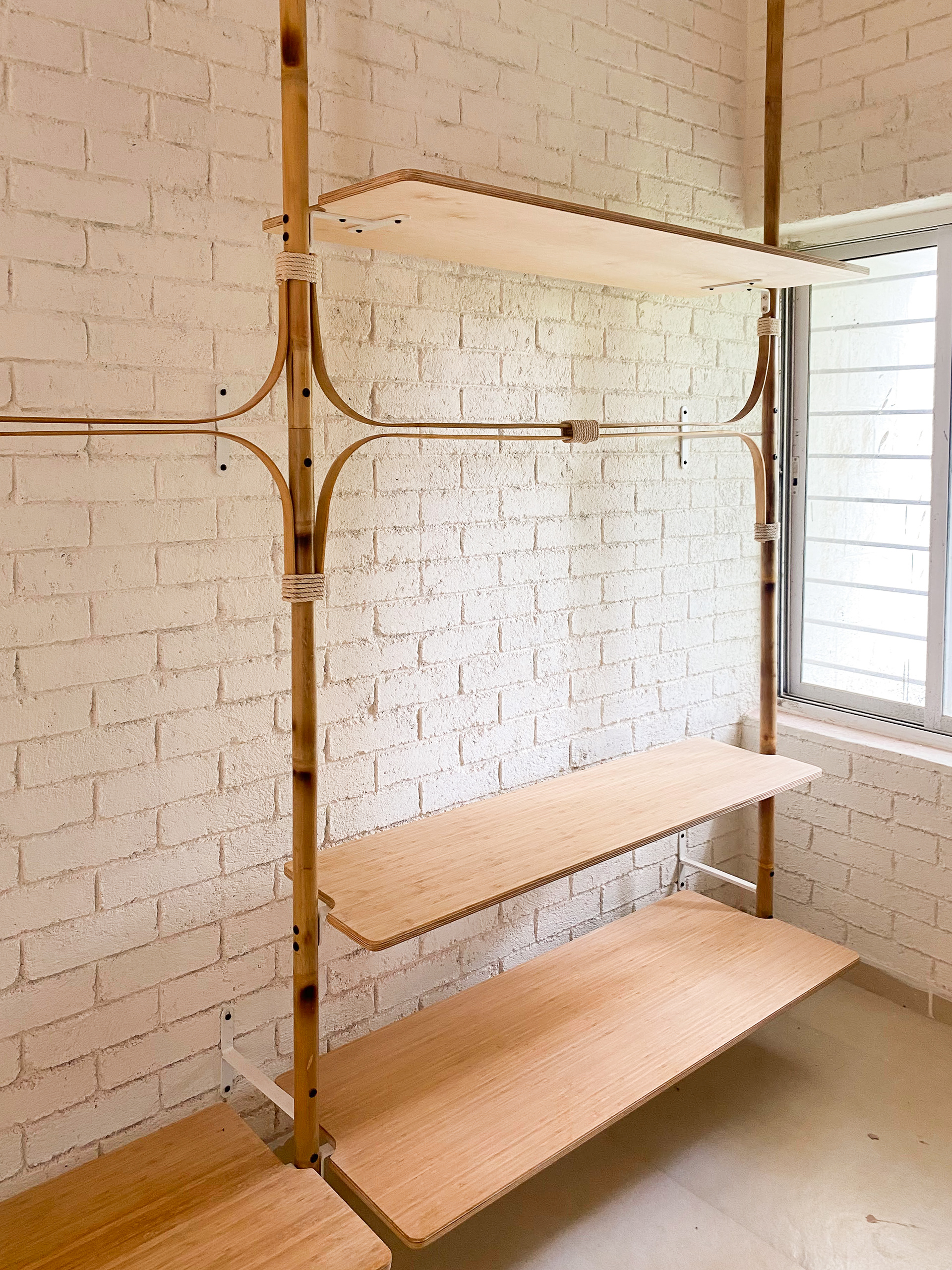
Saree and textile exhibition space
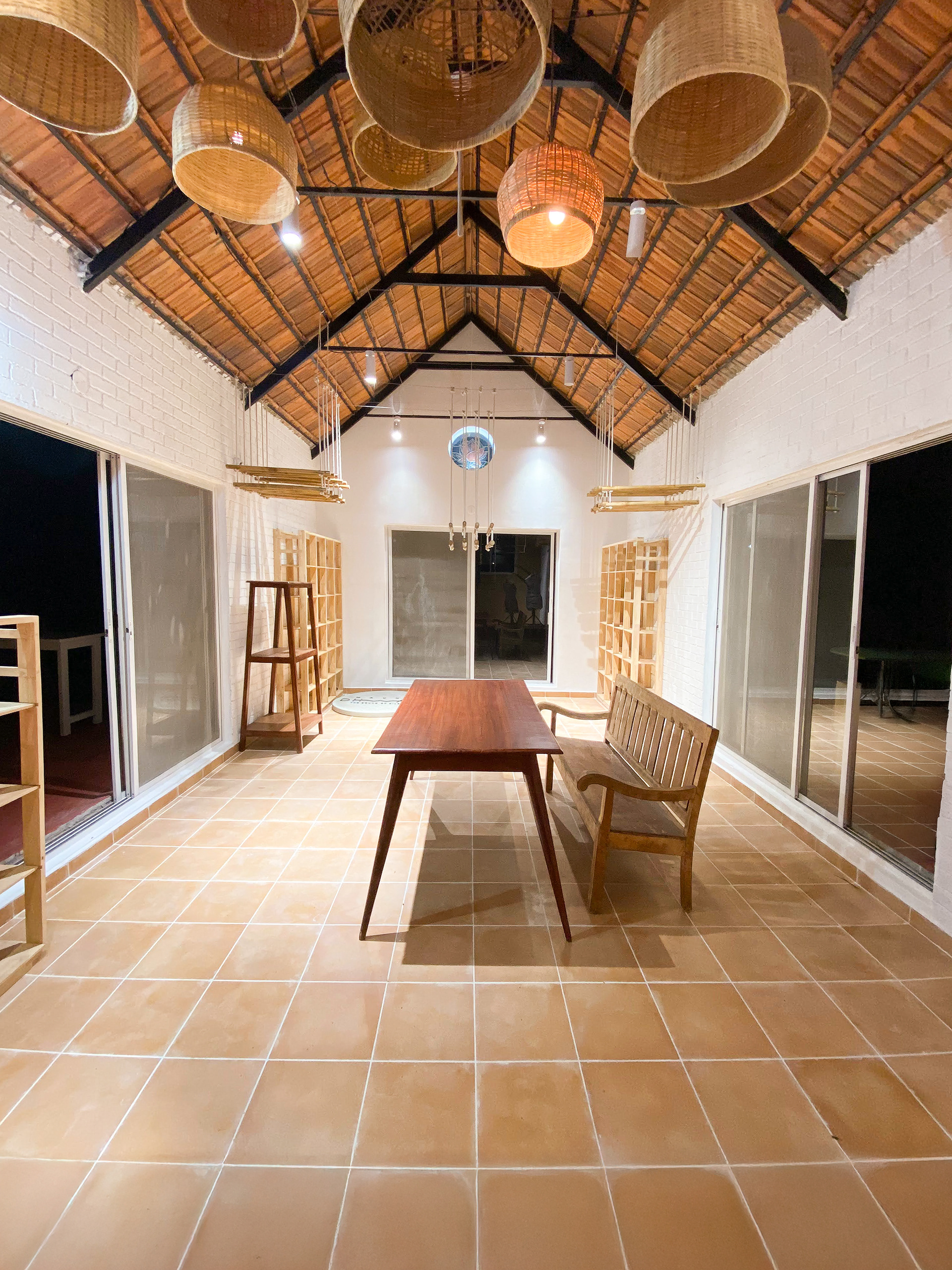
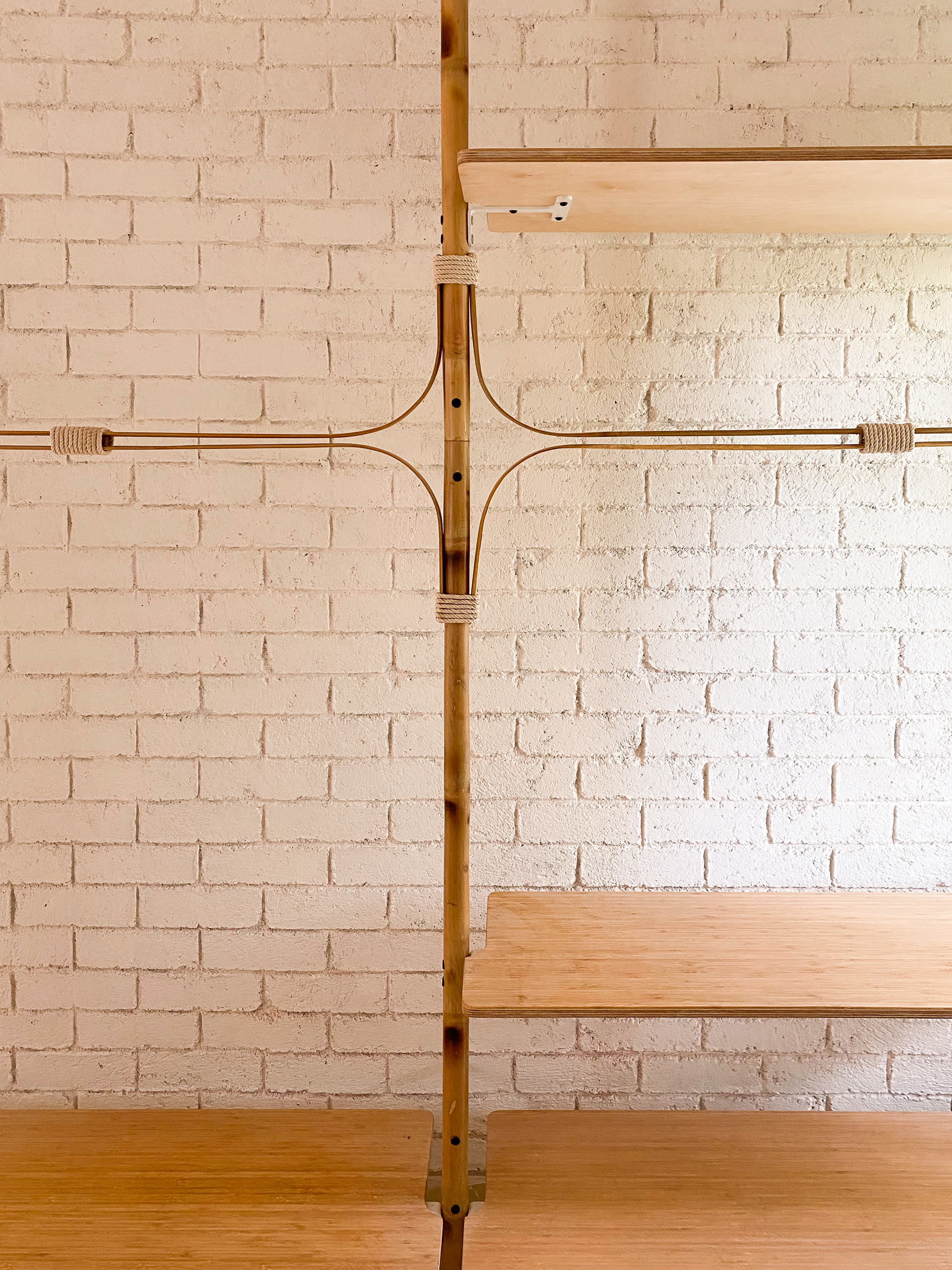
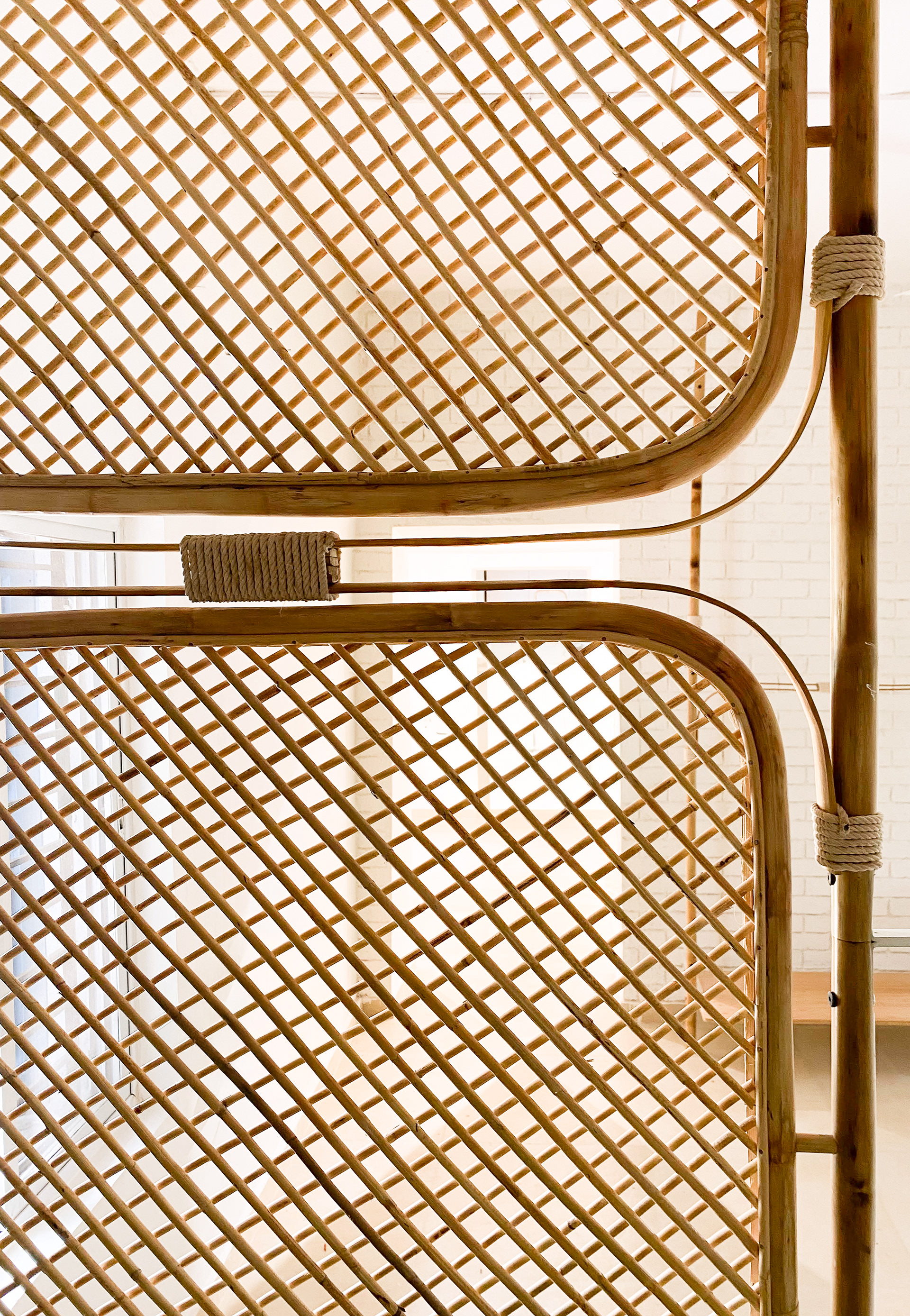
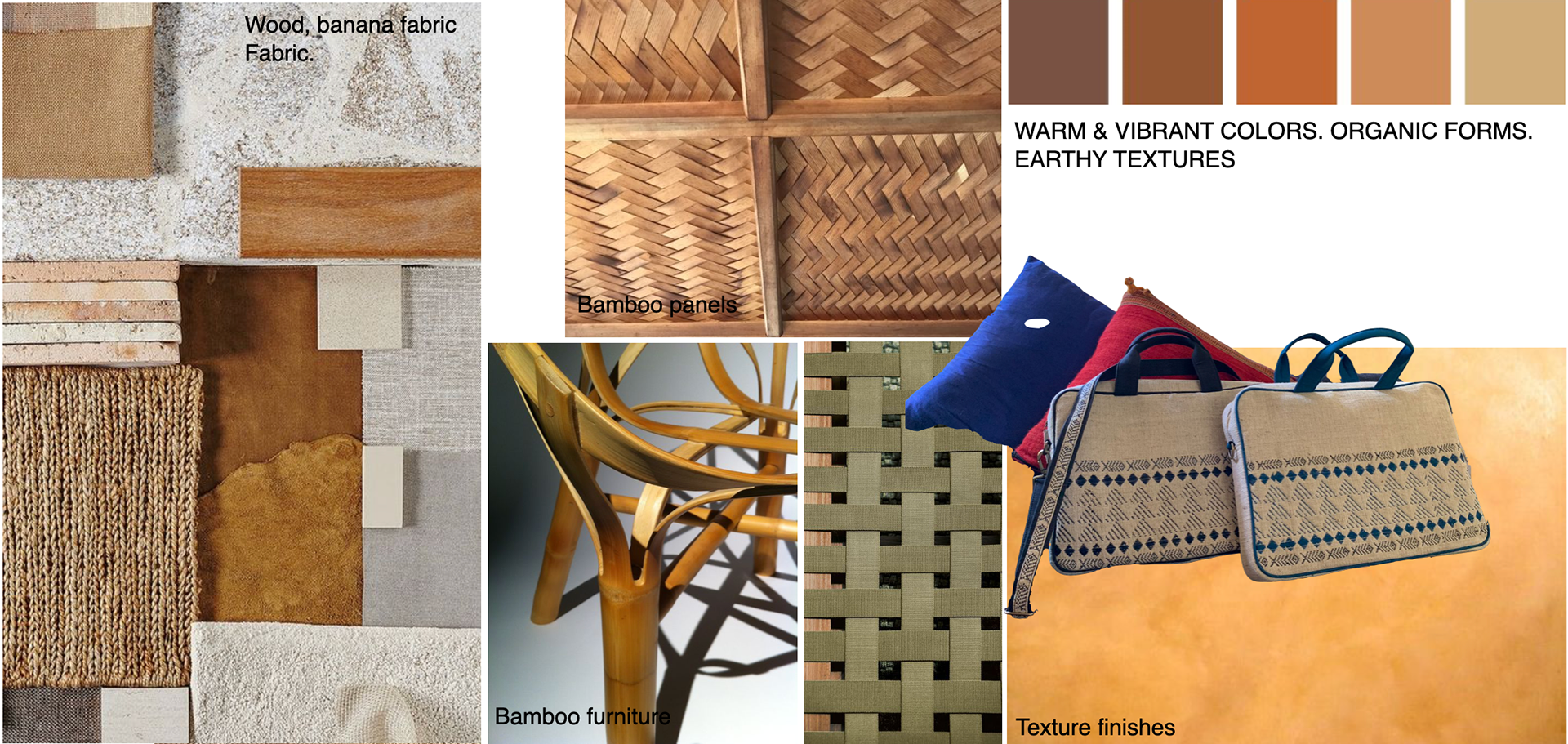
Bamboo forms the core of the display system, sourced from the craft's place of origin and crafted into a modular furniture language that is both functional and distinctive, adding a unique identity to the space.
By using bamboo from the craft’s place of origin, the design reinforces a circular relationship: Materials harvested locally are shaped by local hands and finally showcased in a space that honours that lineage. This approach also aligns with the project’s ethos of simplicity and frugality.
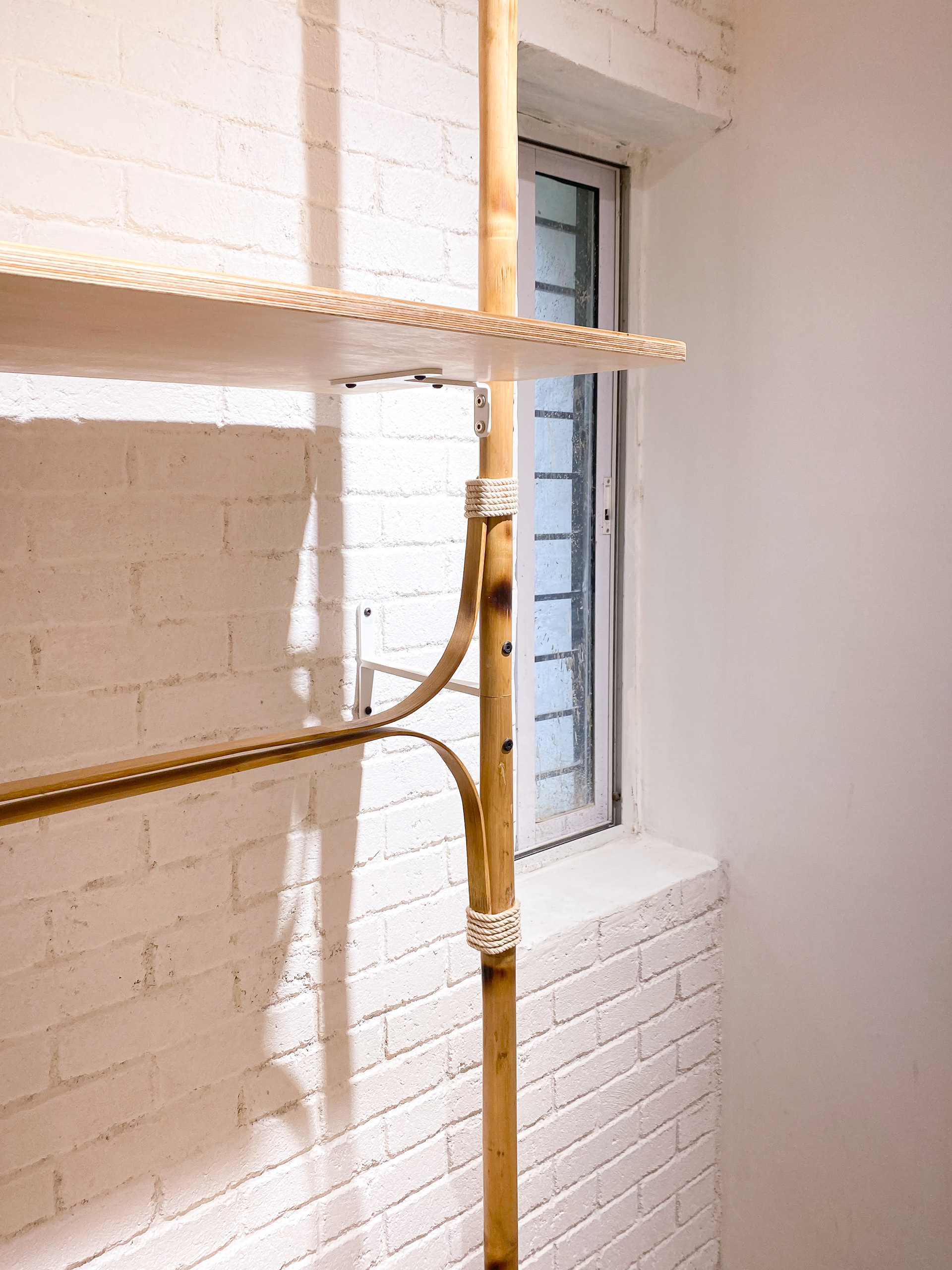
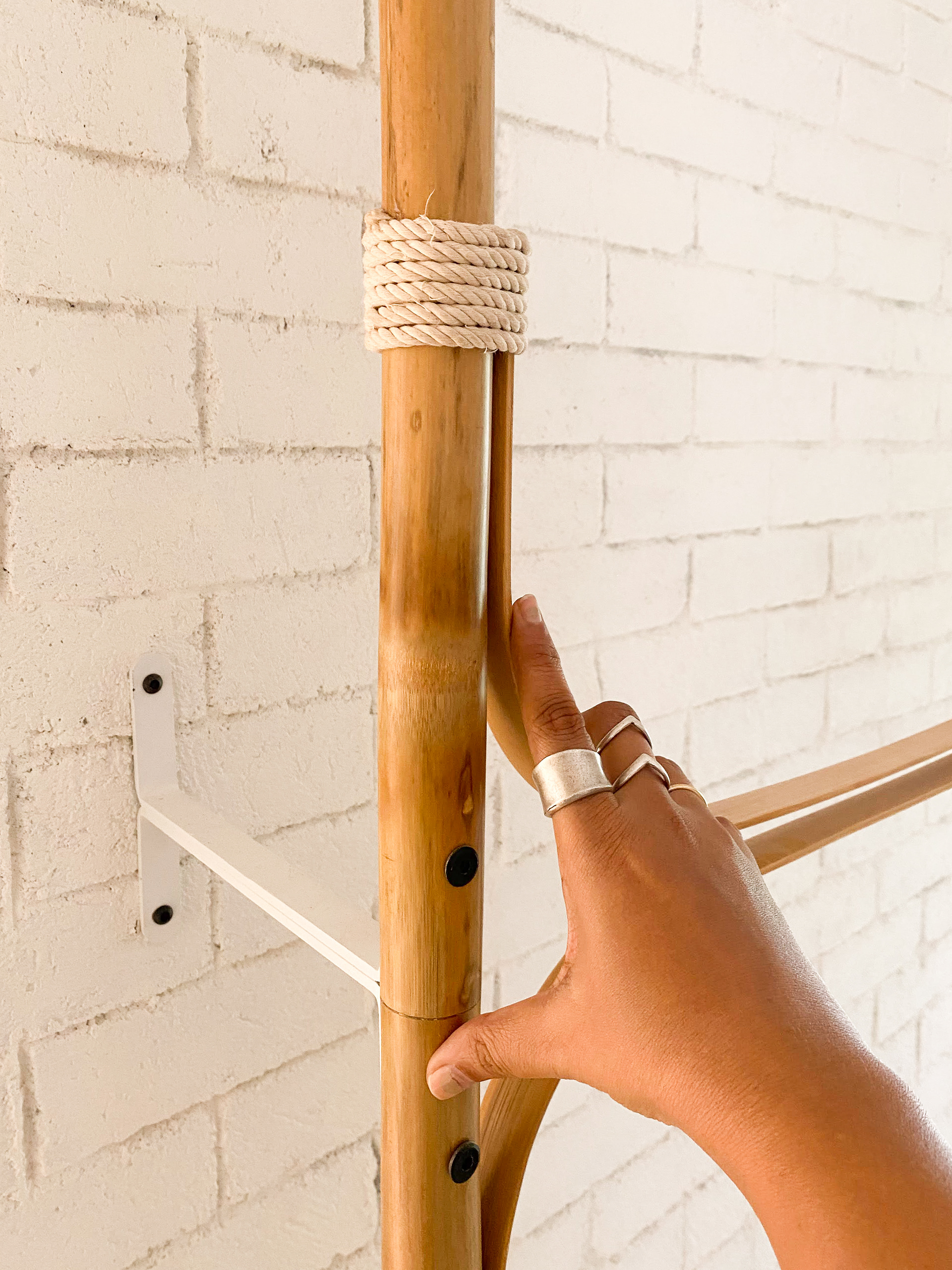
Bamboo is sustainable, lightweight, and versatile, allowing for minimalistic forms and contemporary geometry without losing warmth. Its handcrafted assembly adds a layer of tactility and uniqueness, ensuring no two pieces are identical. In doing so, the space becomes an extension of the craft itself, rooted, responsible, and deeply connected to the artisans’ cultural and ecological context.