The Maunadhwani school of craft and handloom in Sridamchandrapur, Odisha, is a gender inclusive residential learning space for the tribal class that intends to create an impact in the lives of 10,000 artisans by 2035, by steering them towards self-empowerment, self-enhancement and sustainable livelihood.
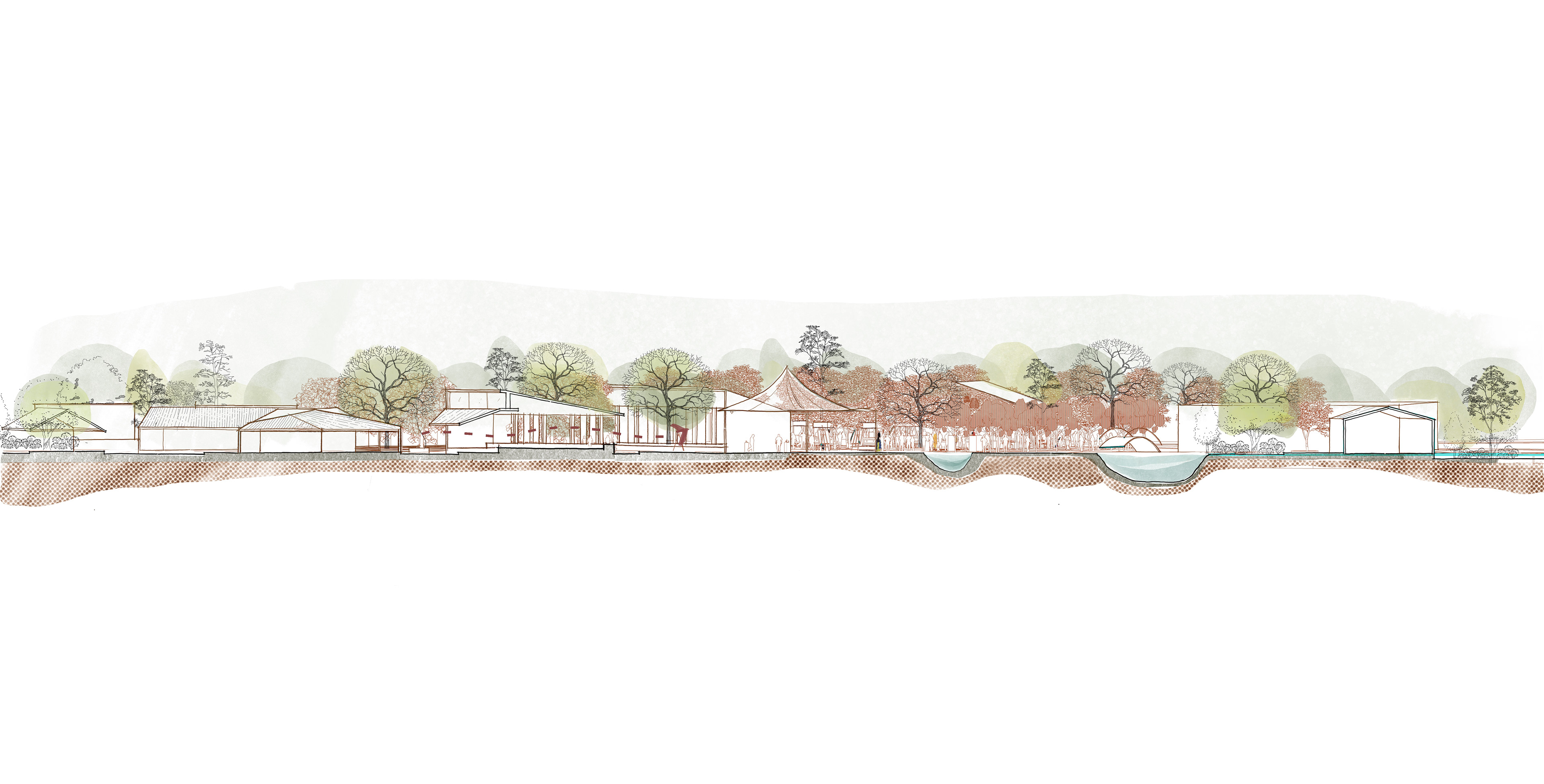
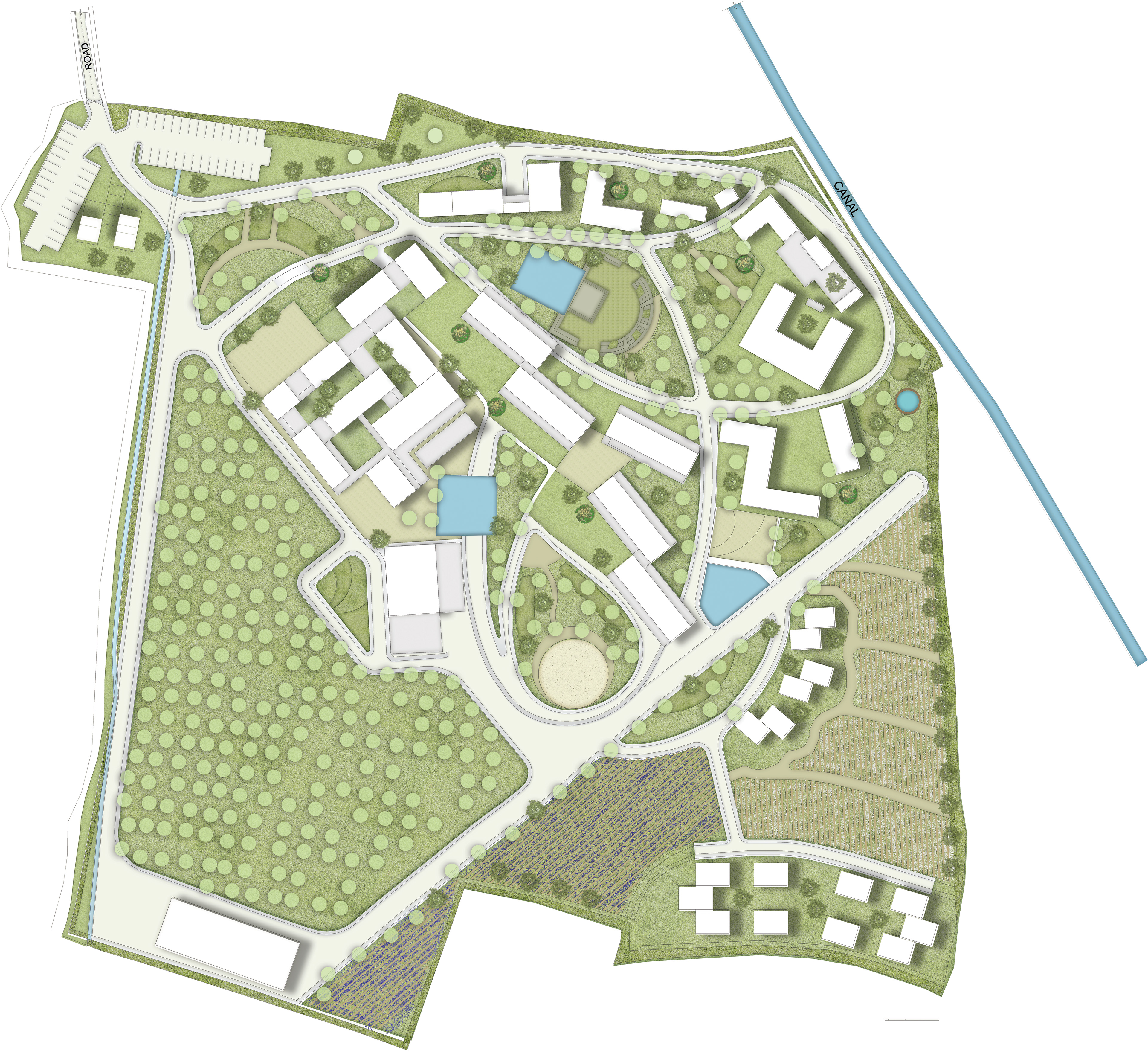
The school of craft and handloom masterplan is a guide that will help ensure the success of Mauna Dhwani Foundation in carrying out this vision for the campus that nurtures their craft culture, and fosters a leading environment emphasising social development and prosperity.
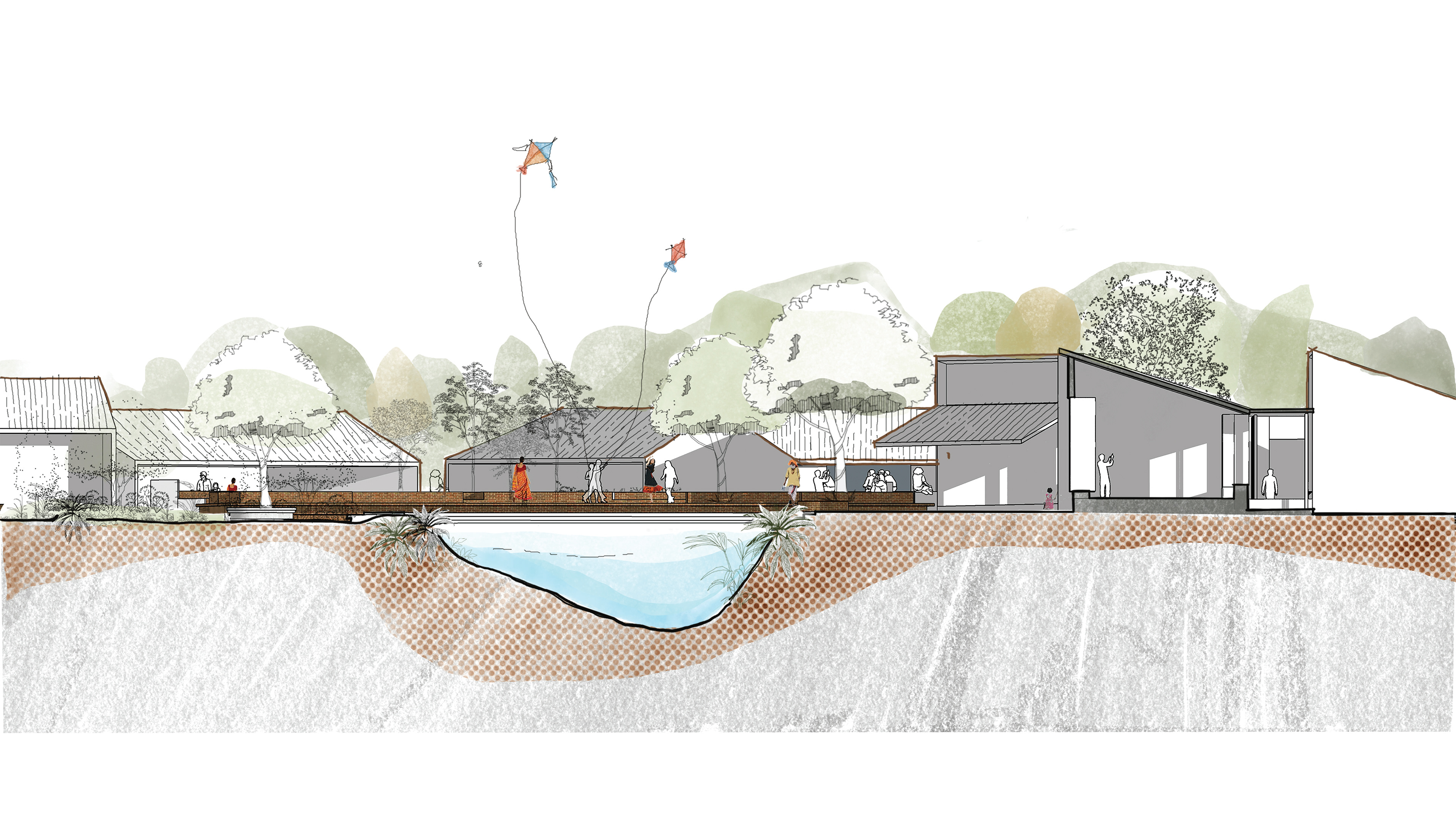
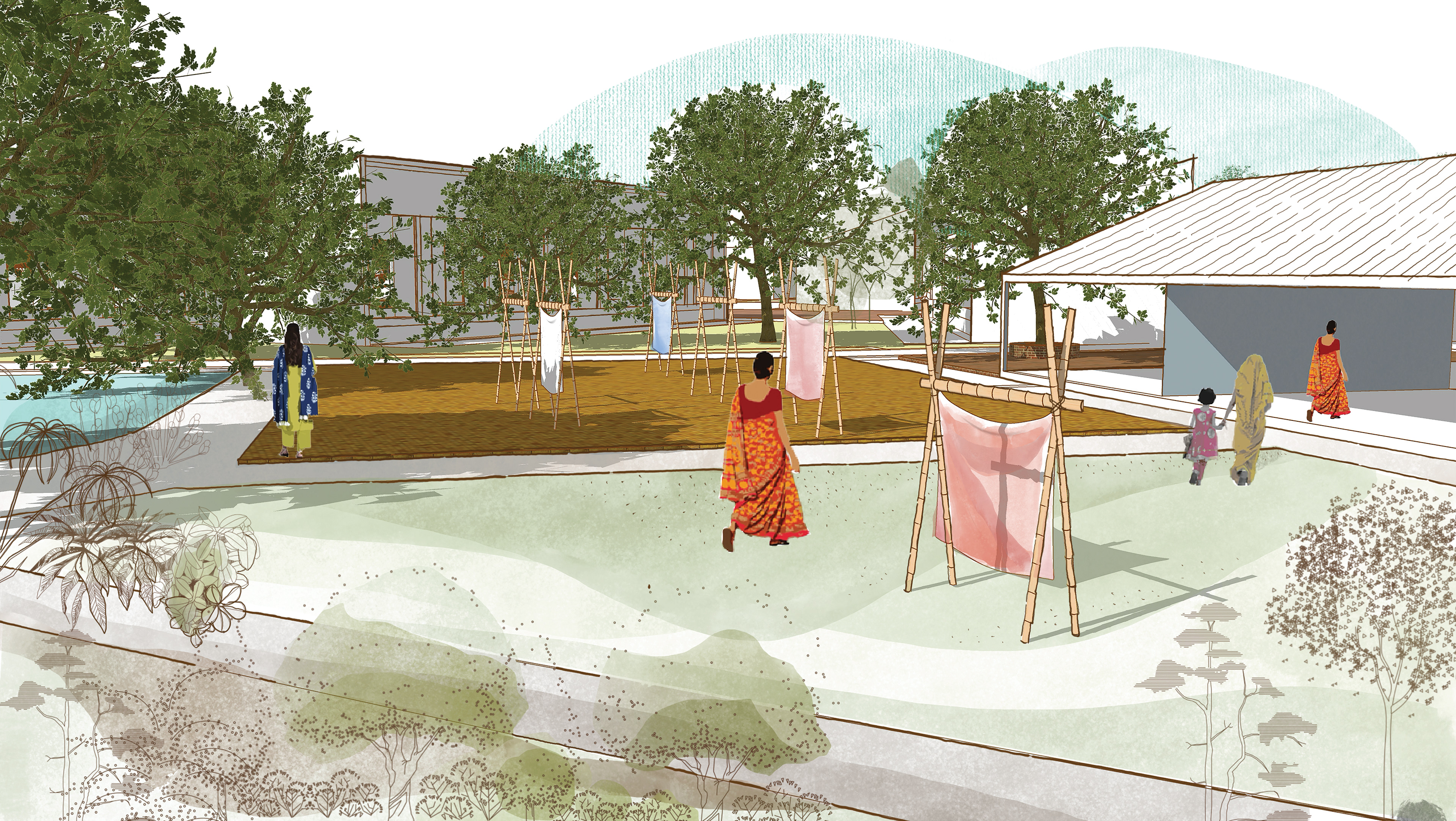
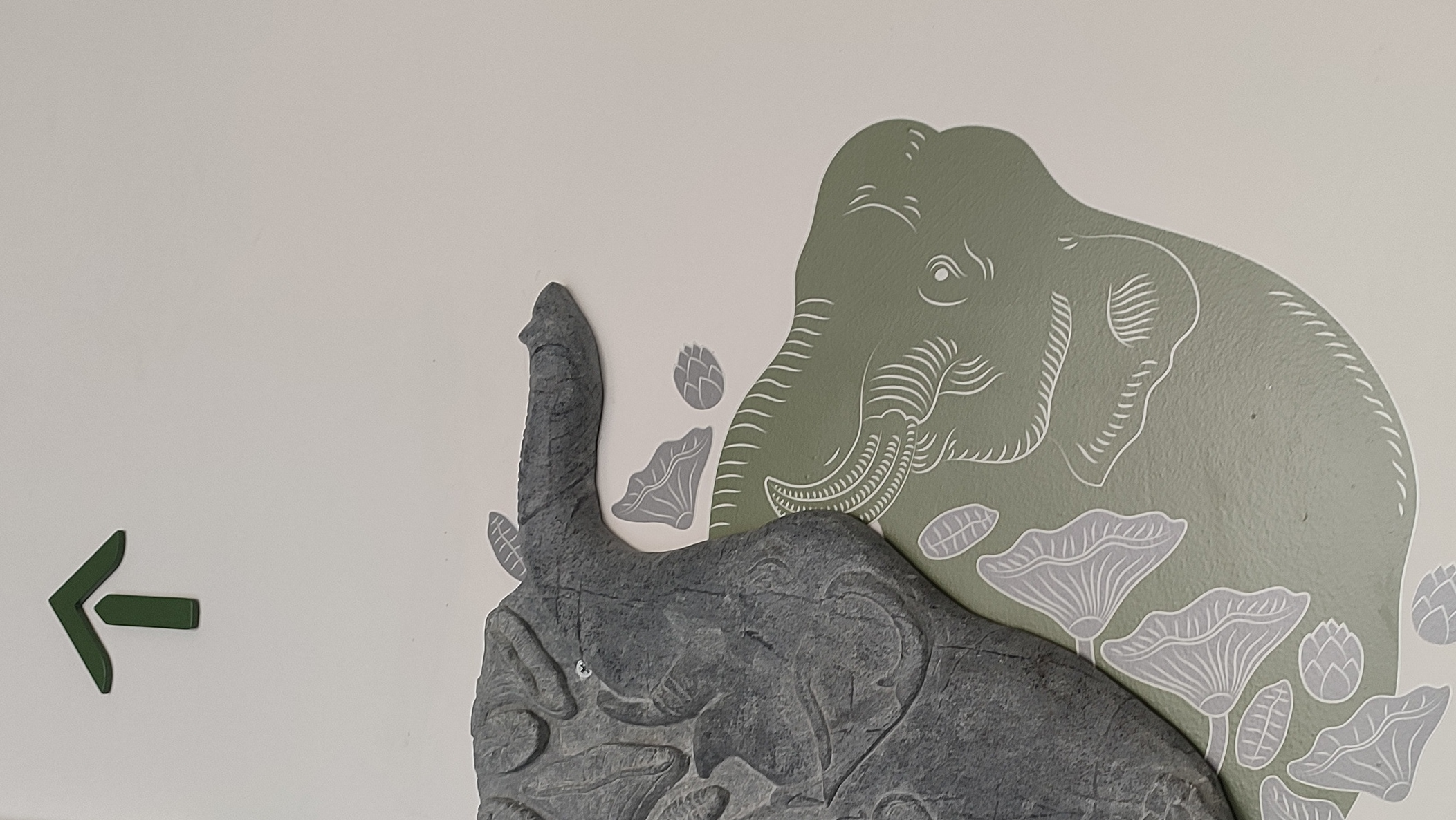
Sense of community: Representation of local art & symbolic motifs
Incorporate local art, symbolic motifs, and culturally significant layouts to foster deeper connection the identity of the community. Engaging the community in design process would enhance cultural pride and also strengthen community bonds.
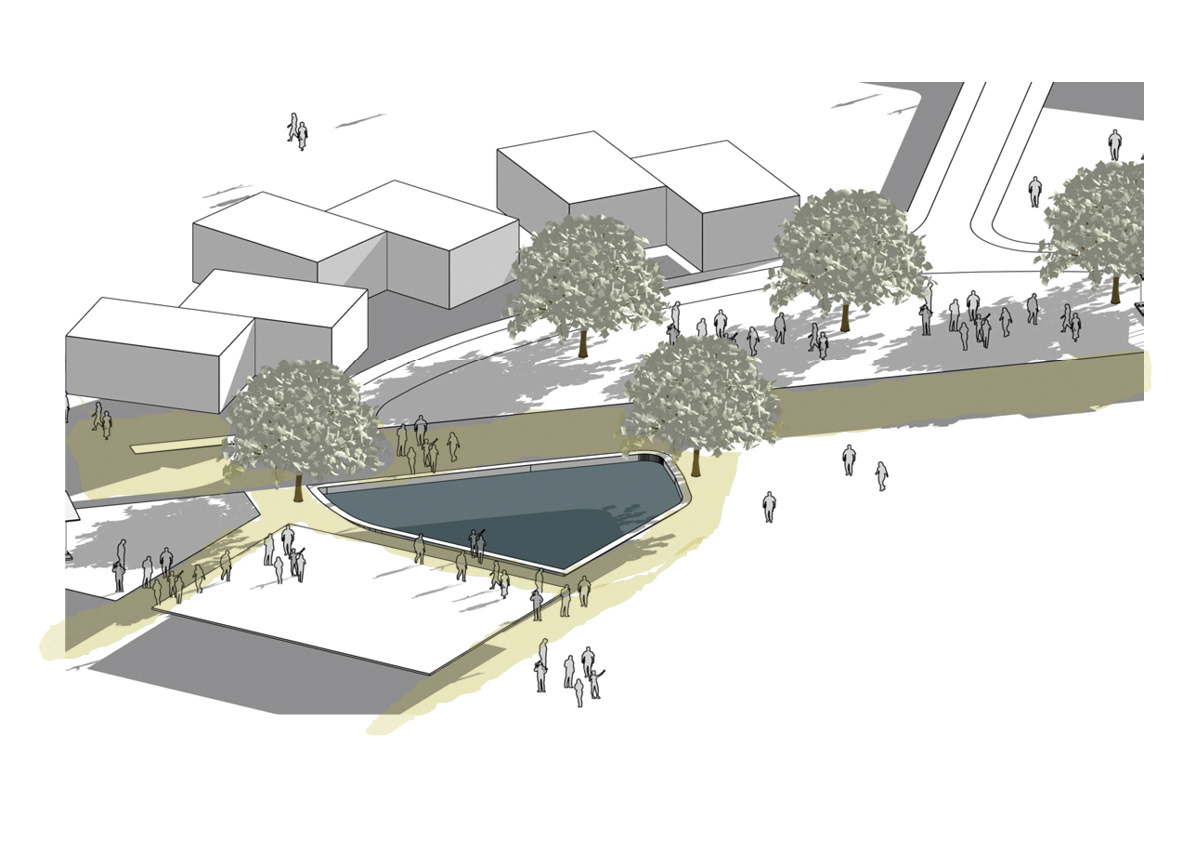
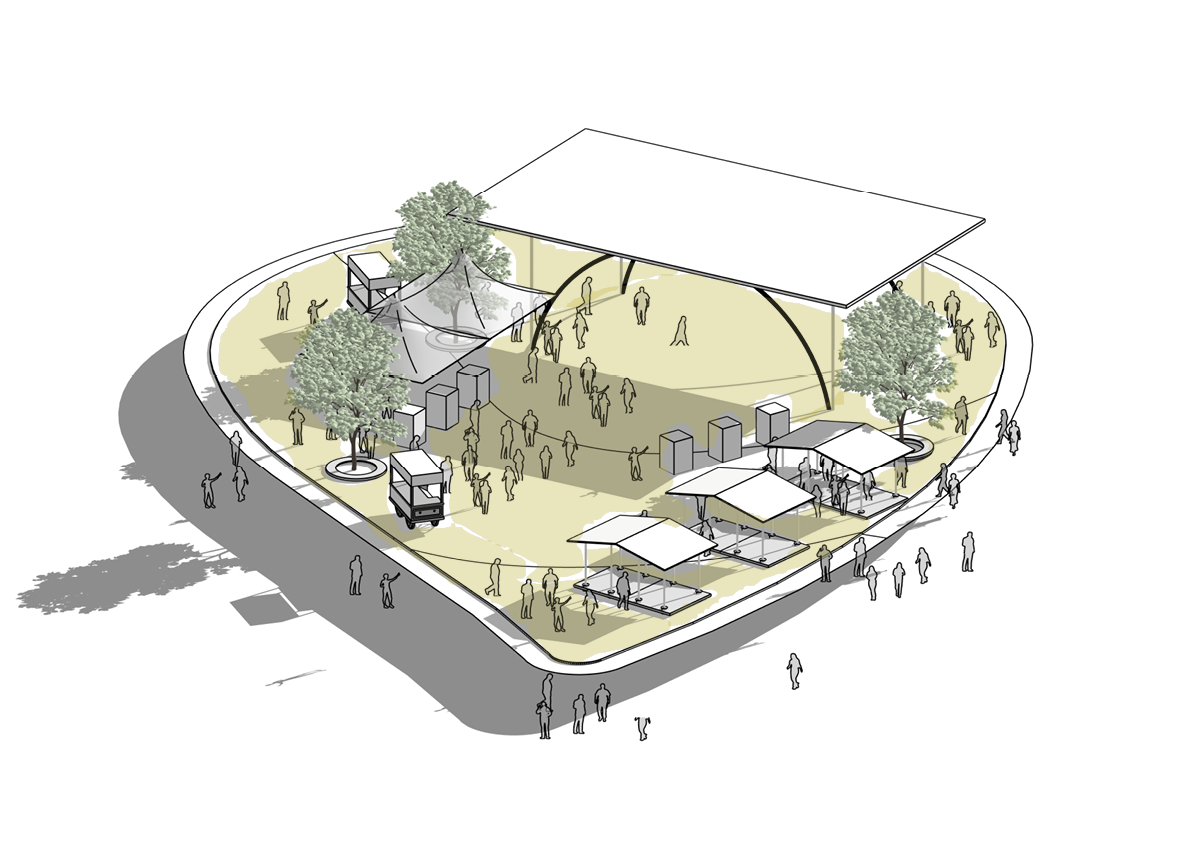
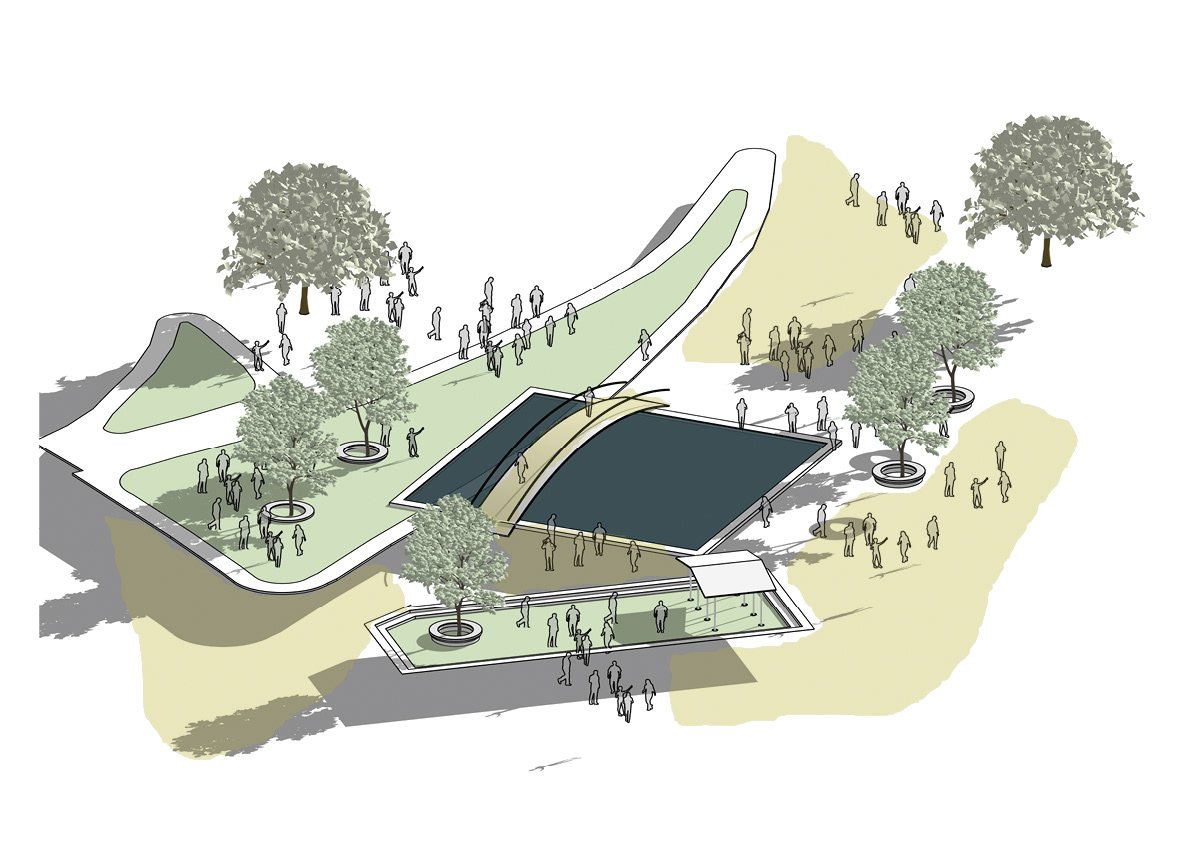
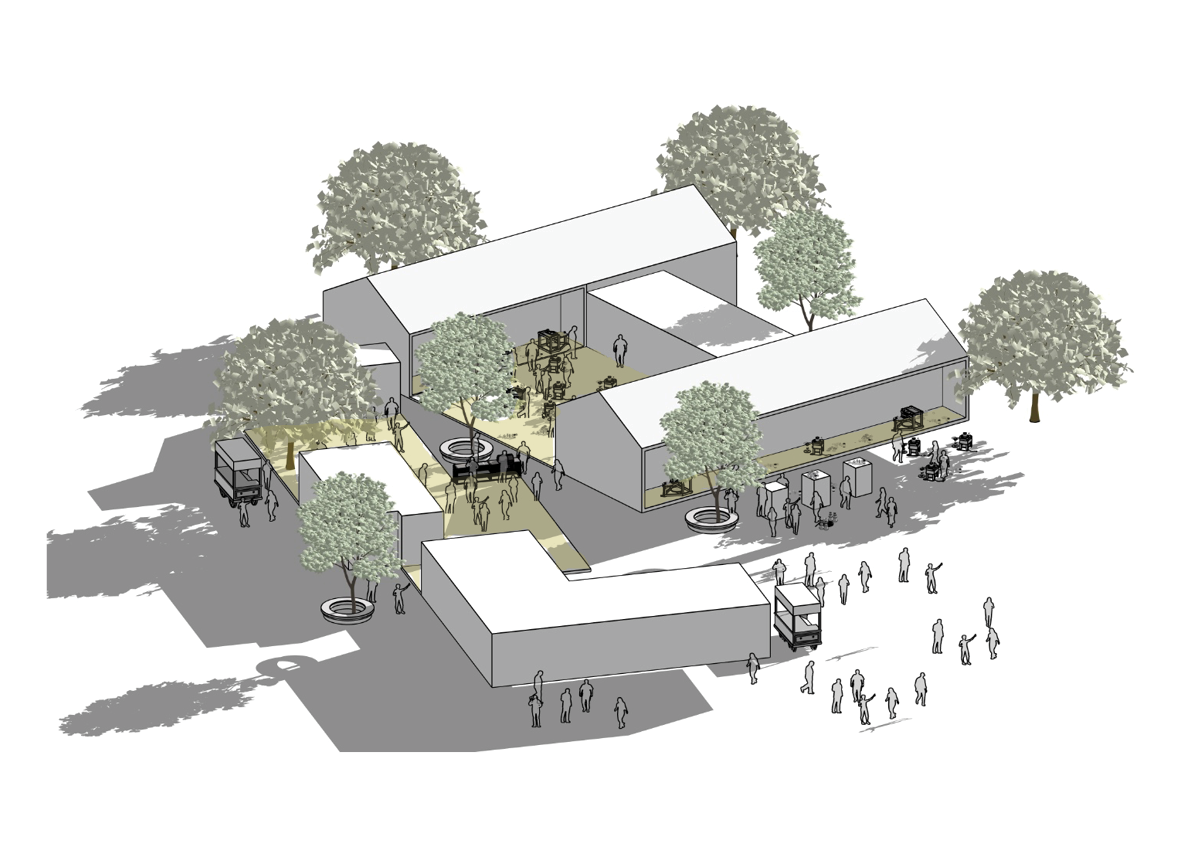
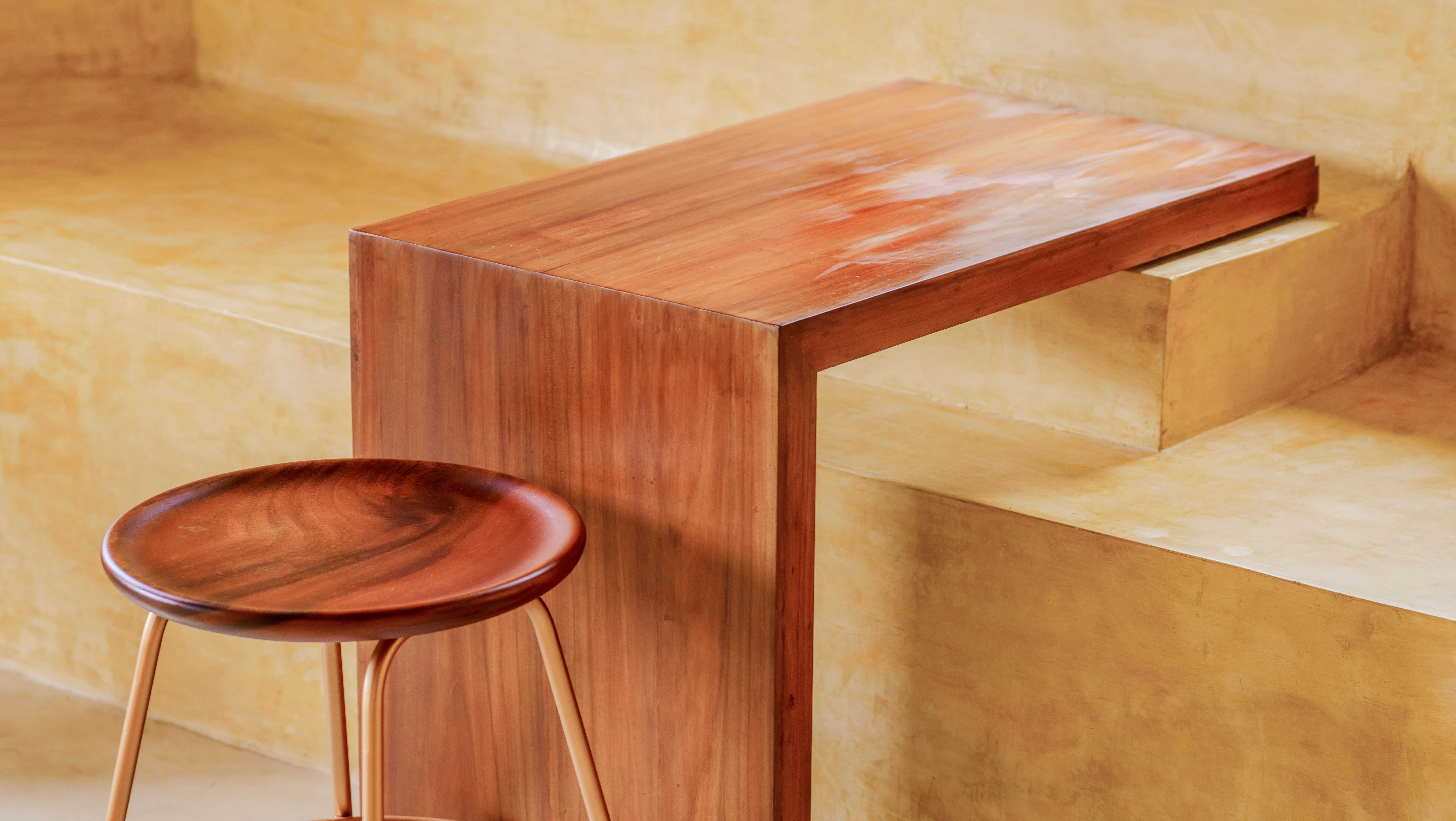
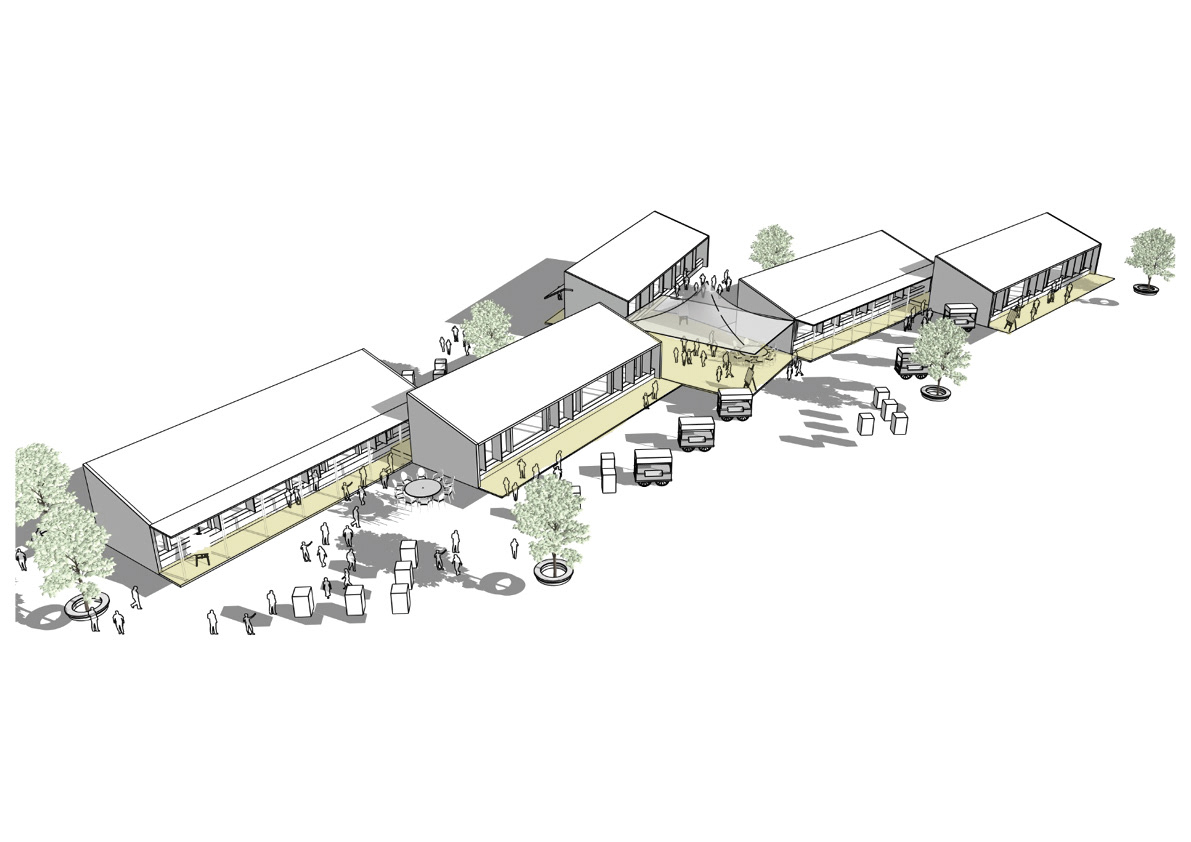
Use of traditional materials, patterns and construction techniques in gathering spaces, market area and workshop spaces to bridge the gap between modernity and tradition.
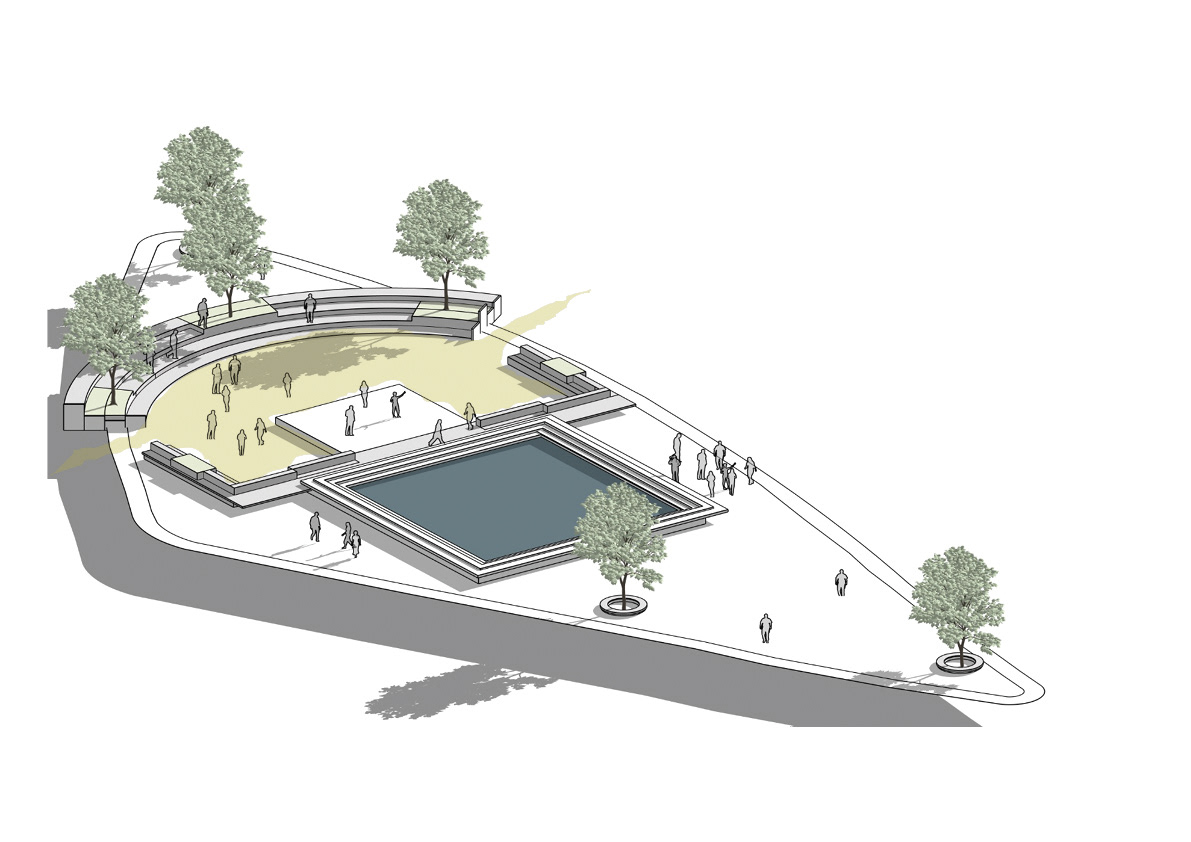
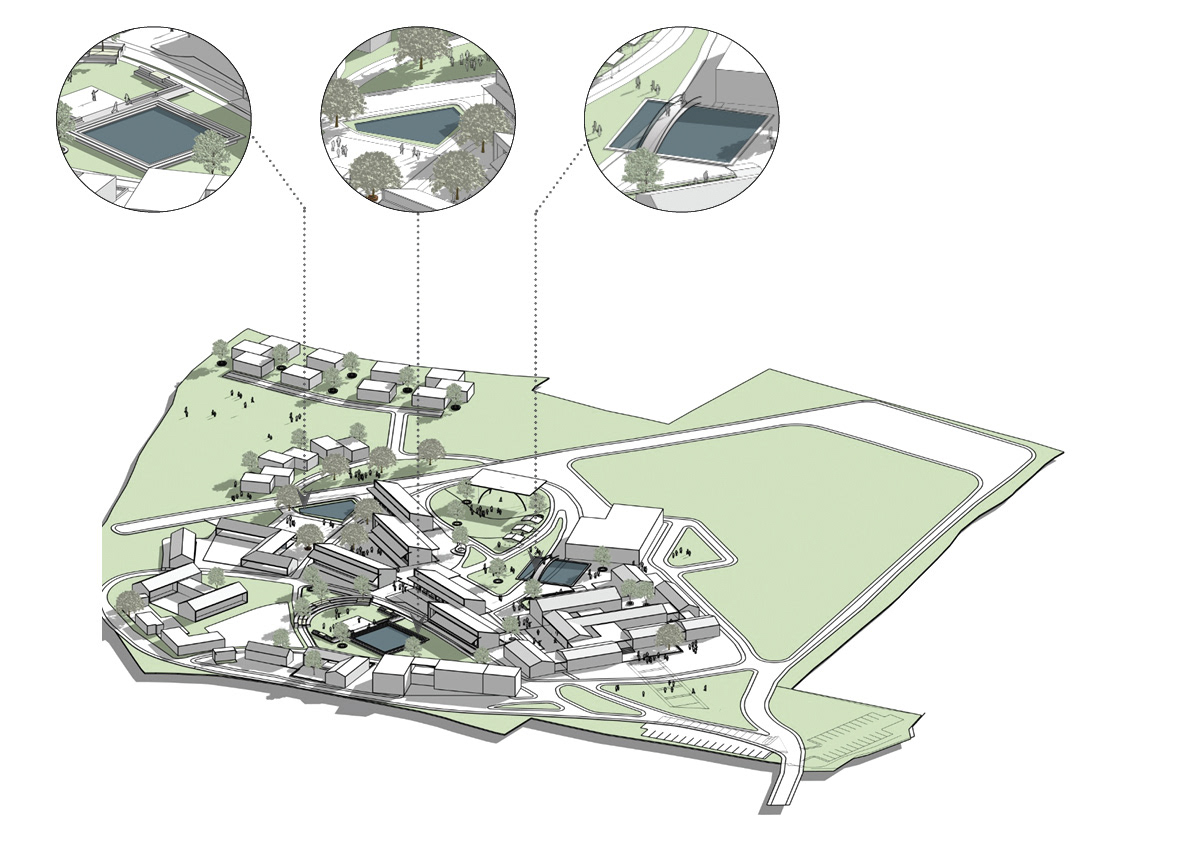
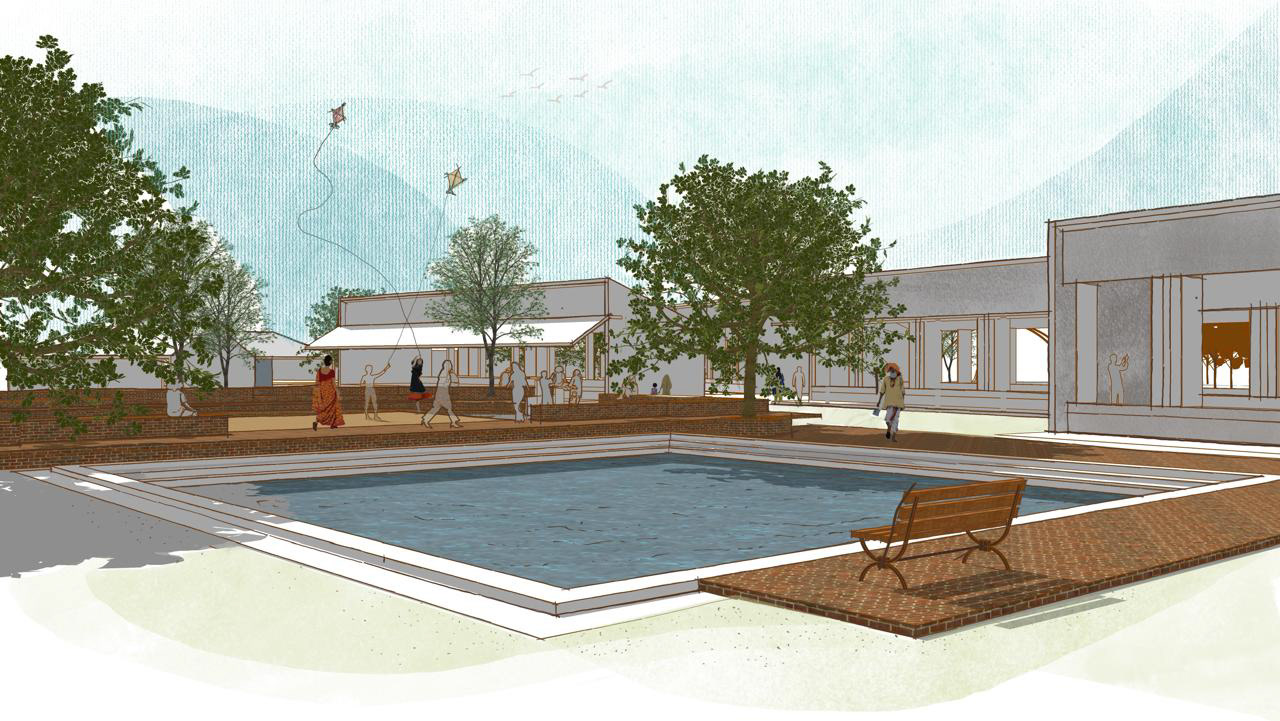
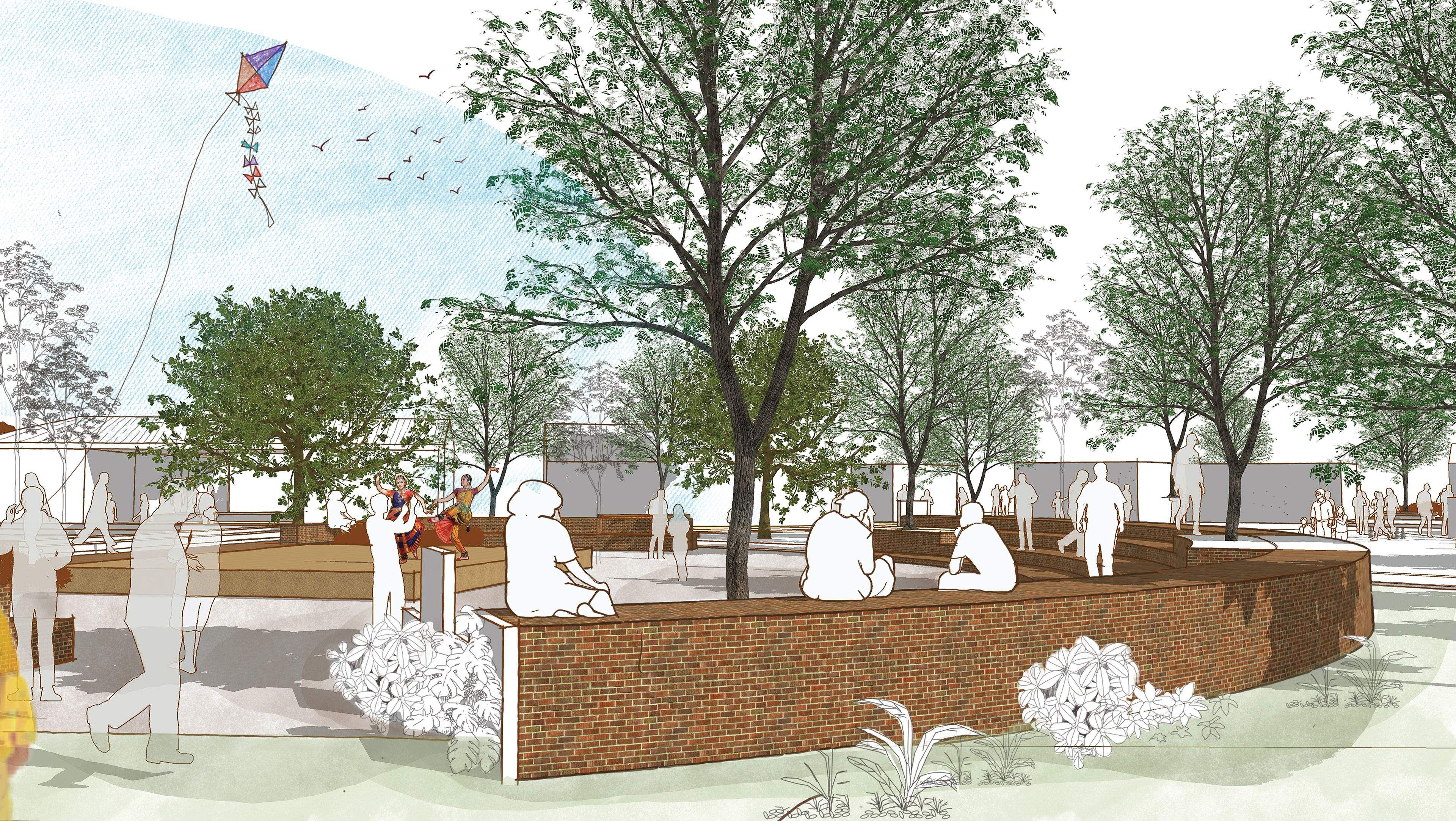
Village ponds are central to community life, serving as a source of water for irrigation, livestock and daily activities. They hold cultural significance often linked to festivals and rituals.
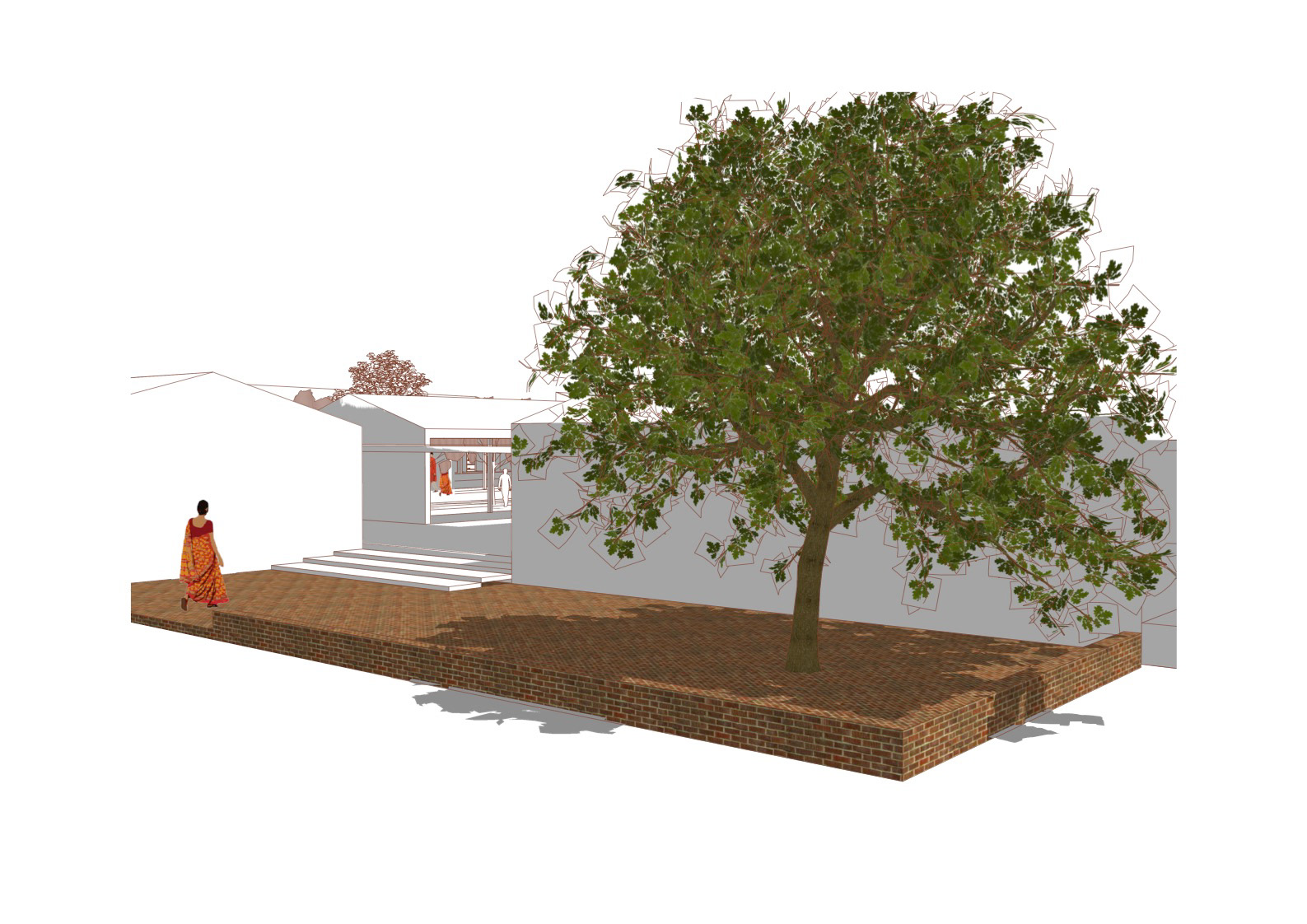
Village totems, often symbolised by sacred trees, are central to the community, and they reflect a deep connection to nature and ancestry.
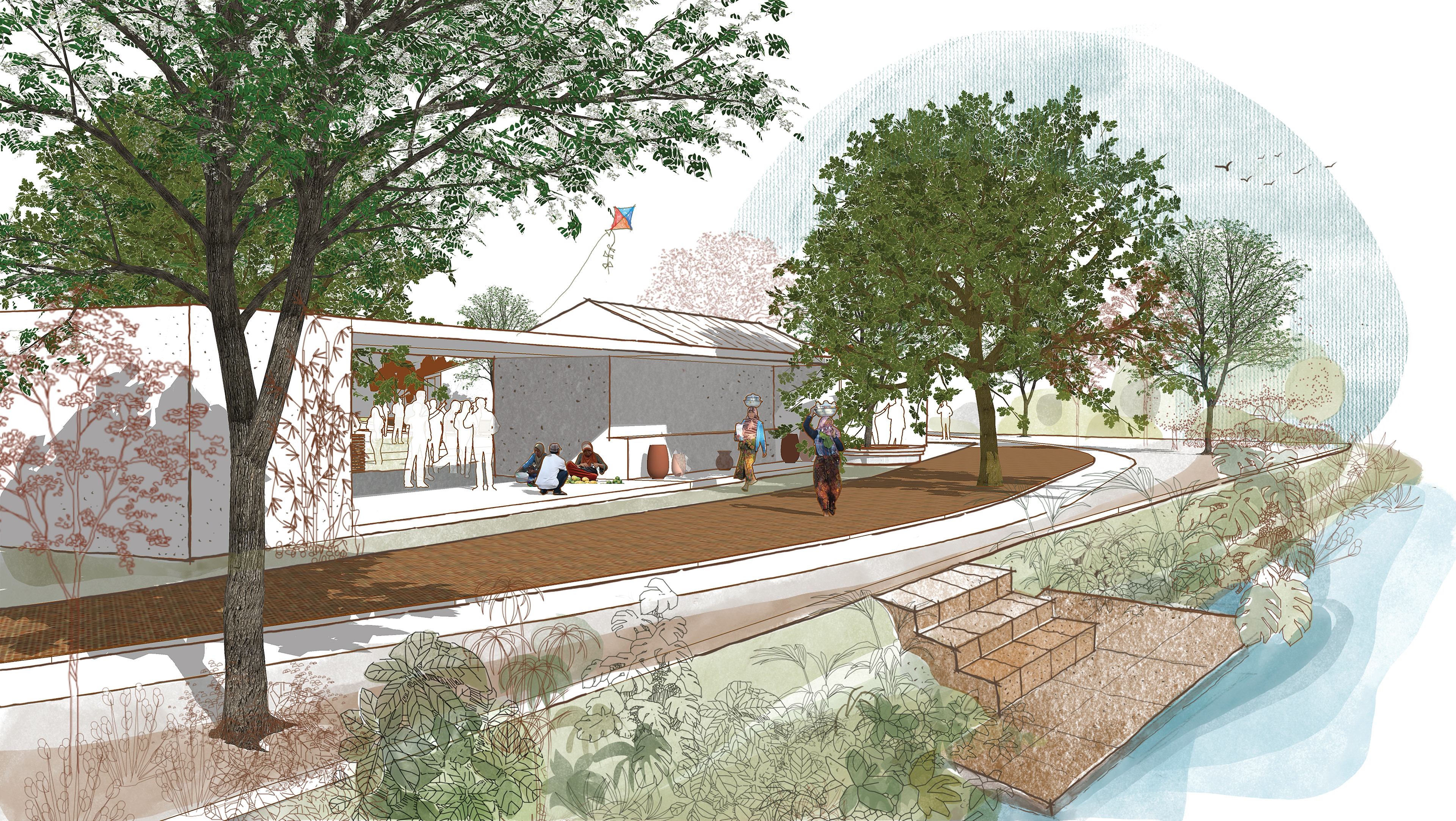
Community kitchen: Communal cooking is an integral part of the festivals, rituals, and social gatherings. Villagers come together to prepare large meals, often in open spaces, fostering a sense of unity and co-operation. Continuing with this tradition, the campus will have a community kitchen that will be a catalyst towards strengthening community bonds, providing for health and nutrition.
Outreach and engagement: Spaces for knowledge sharing and collaborations
The campus has areas for live demonstrations of weaving and crafting, allowing visitors to witness the intricate techniques firsthand. Create spaces for display that narrate the cultural significance behind each piece. Create spaces for interaction where visitors can try their hand at weaving or participate in workshops. Collaborate with tribal artisans to ensure the design resonates with their cultural heritage.
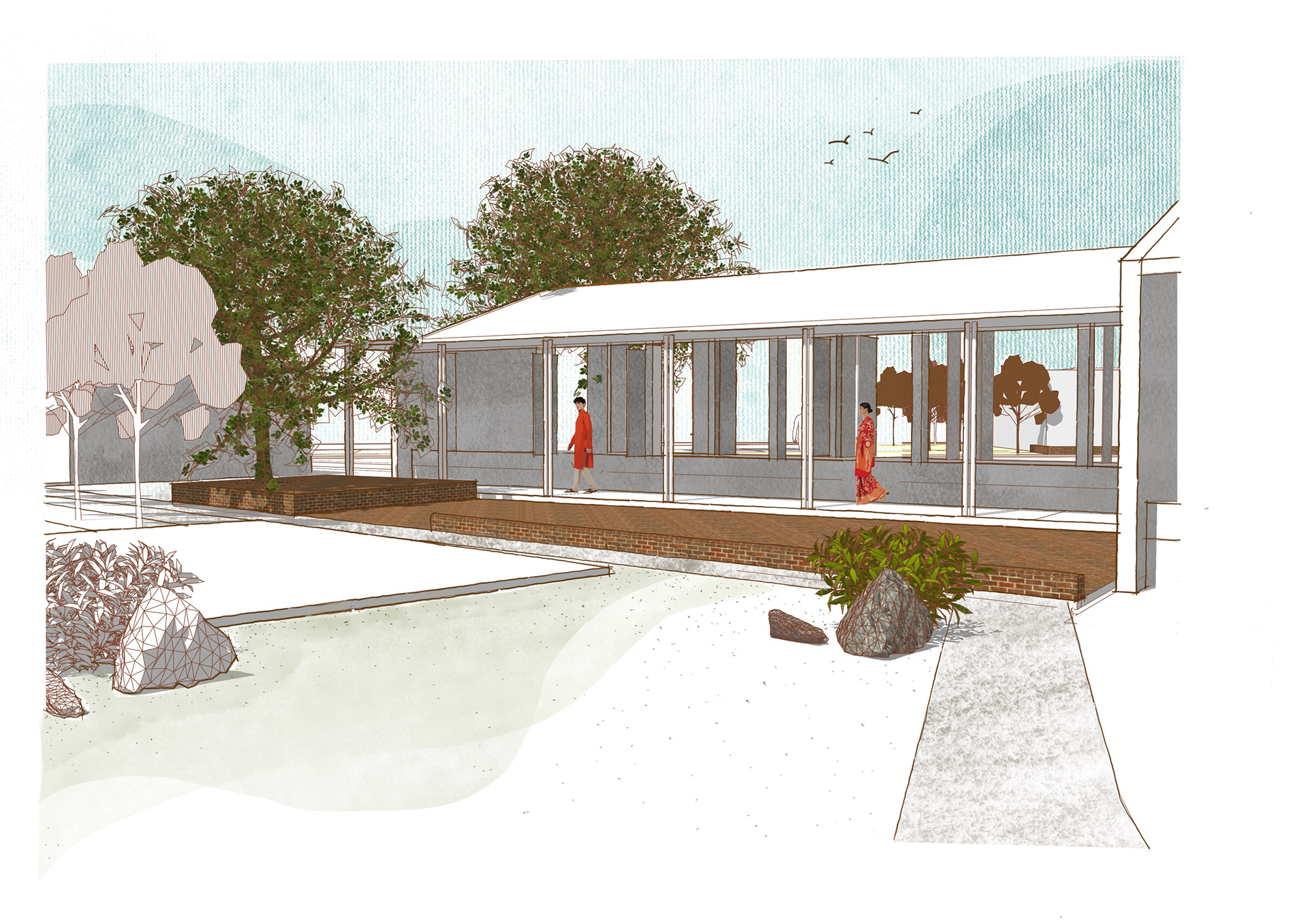
Weaving unit: Demonstration of weaving sarees
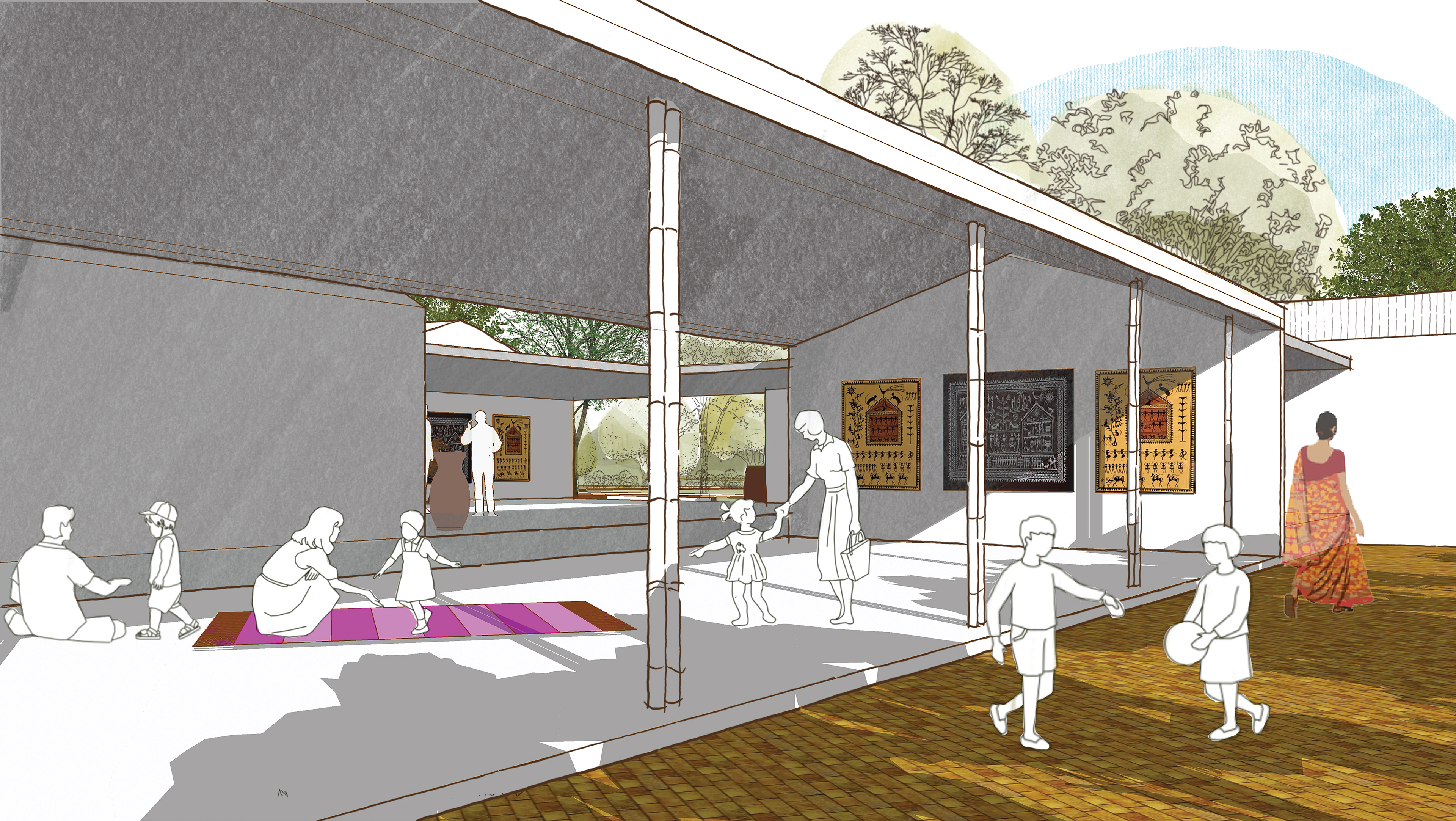
Demonstration zones: Zones dedicated to demonstrating crafts and conducting workshops are essential for preserving and promoting traditional skills. The proposed experience centre and studios will allow artisans to showcase their techniques and pass down knowledge.
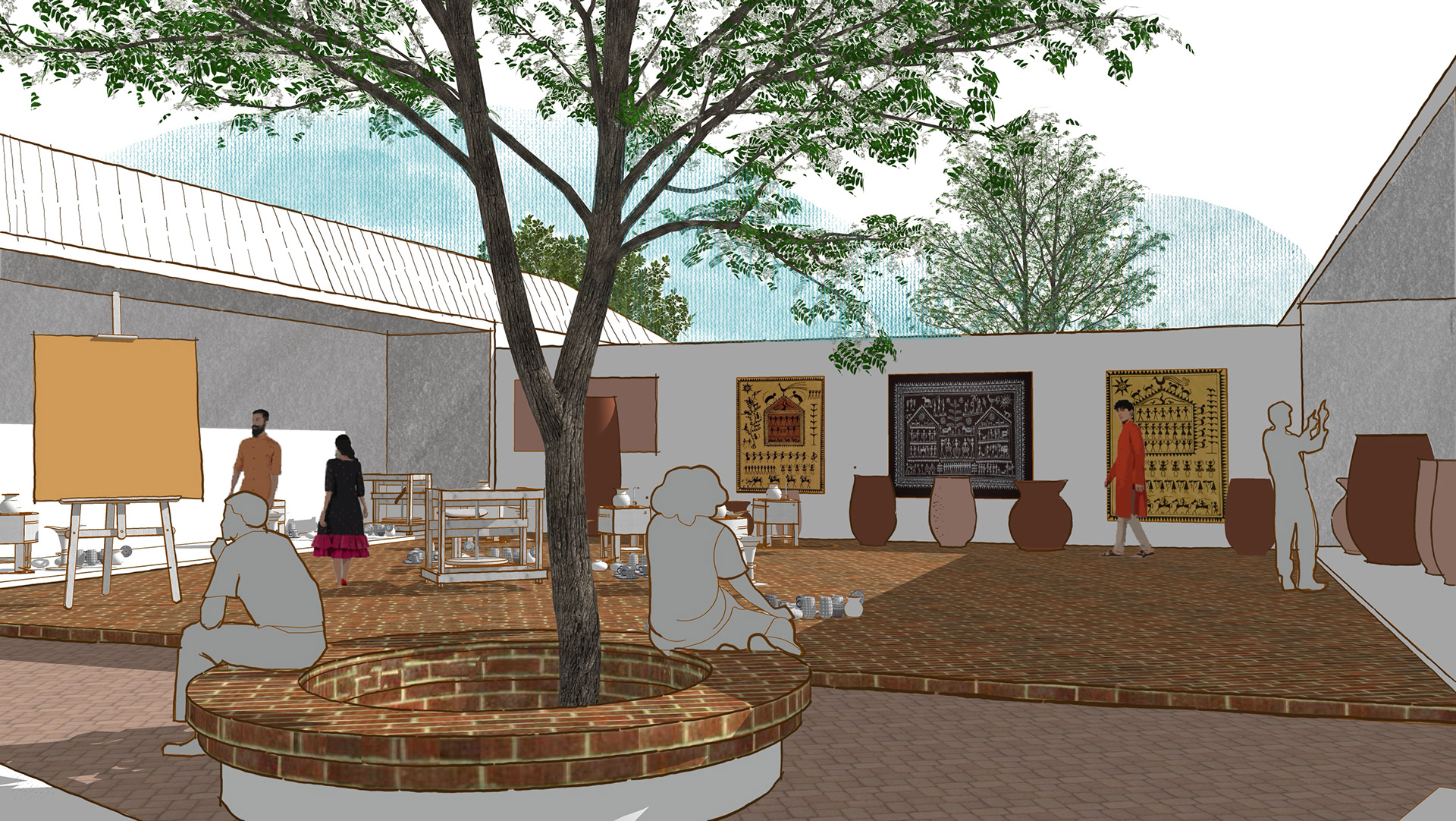
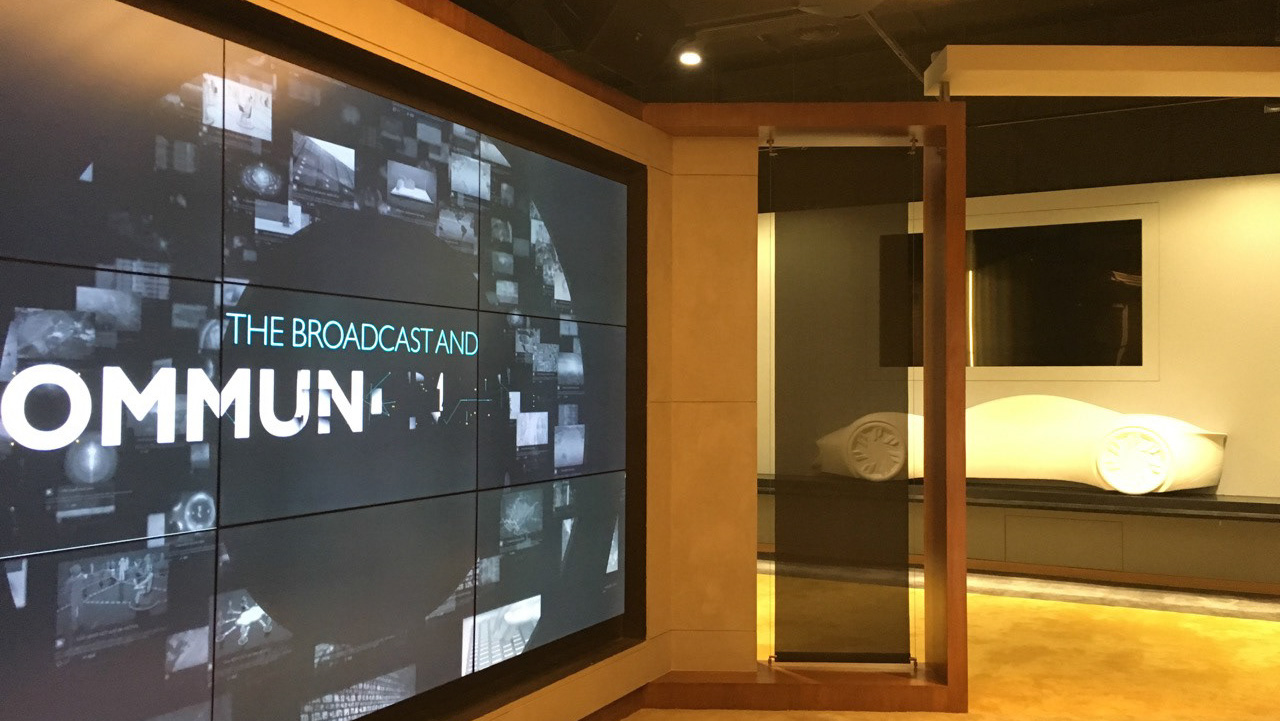
Curated experience: Designed spaces for curating craft experiences include dedicated galleries, open-air workshops and interactive demonstration zones. The galleries in the experience centre showcase textile and pottery.
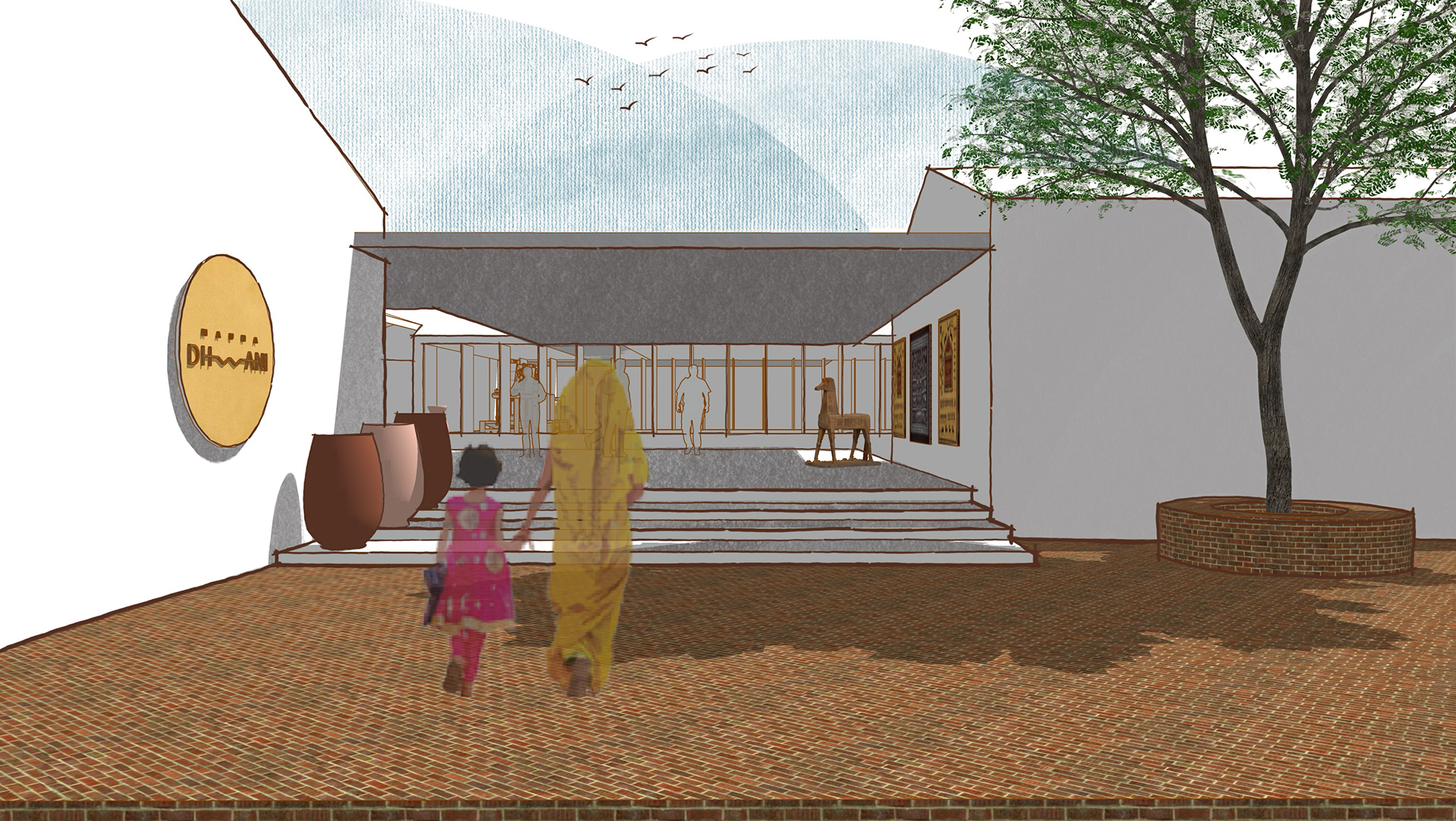
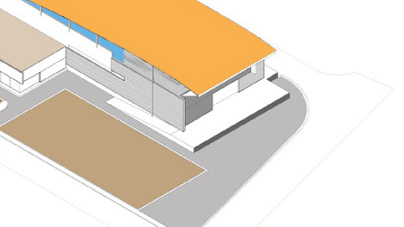
Visitor center
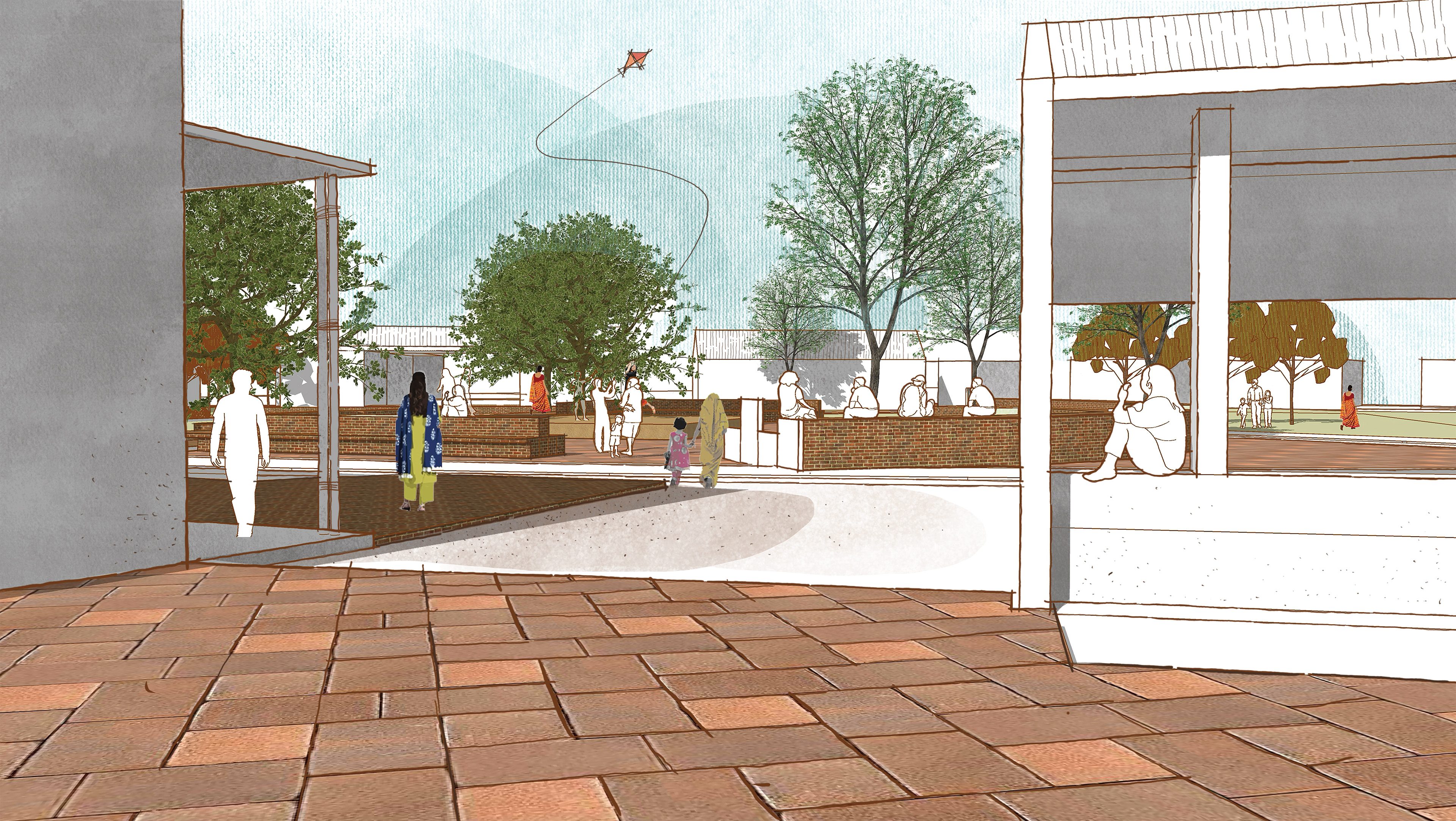
Cultural nodes: The proposed cultural nodes on campus will offer unique experiences ranging from performance areas hosting traditional music and dance, allowing audiences to immerse themselves in local art forms to galleries that will showcase regional crafts.